
When Safety Questions Arise in Assisted Living: What Families Should Ask Before Choosing Senior Care
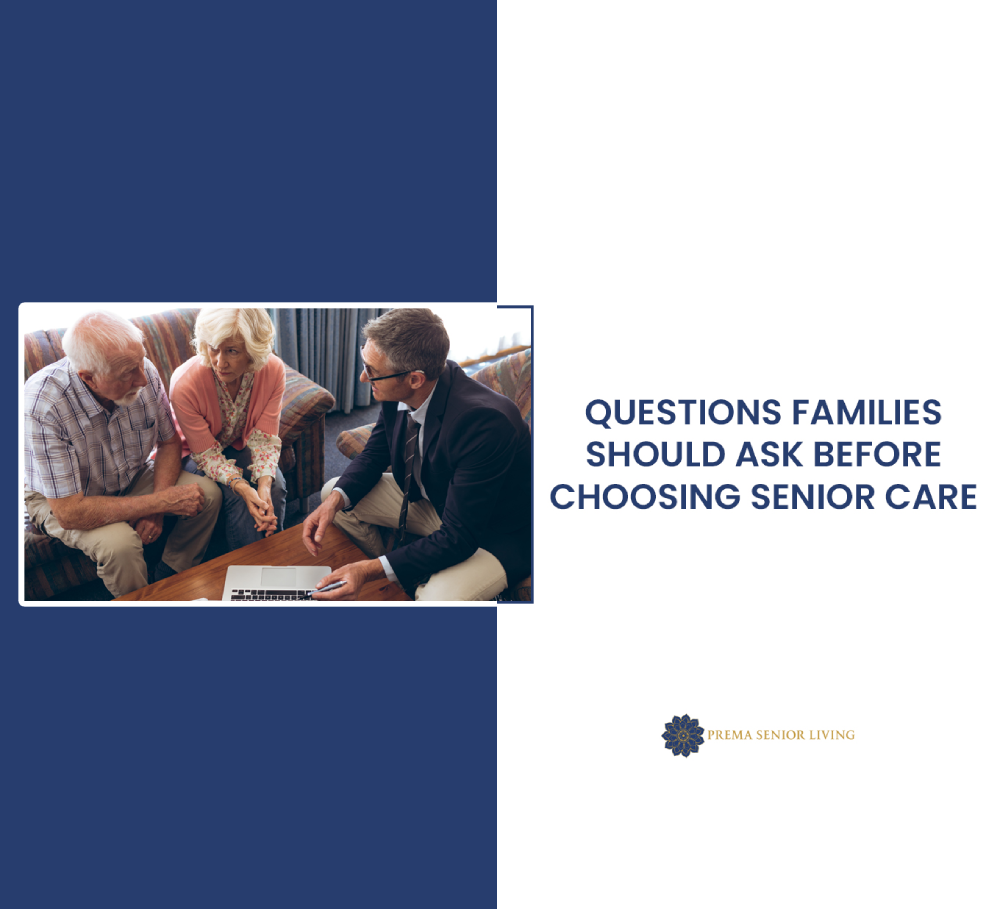
Choosing assisted living for an aging parent is one of the most personal decisions a family can make. When news reports describe an unattended death investigation or a serious incident at a senior care setting, it can leave families wondering how to judge safety, accountability, and quality before trusting a community with a loved one. While any single report should be understood through confirmed facts and official findings, it can also serve as a reminder that families need clear questions, reliable documentation, and a practical understanding of care levels. The right senior living environment should support dignity, supervision, daily routines, and health needs while communicating openly with residents and families. This guide explains what to evaluate when comparing assisted living, memory care, skilled nursing, independent living, respite care, and other senior care options.
What Families Should Keep in Mind
- Care level matters: Assisted living is not the same as skilled nursing, and each setting has different staffing, medical oversight, and service limits.
- Ask about supervision: Families should understand how often residents are checked, how emergencies are handled, and how staff respond to changes in condition.
- Review state records: Licensing status, inspection reports, and complaint histories can provide important context.
- Match services to ADLs: A resident who needs help with activities of daily living (ADLs) may need a higher level of support than a more independent resident.
- Communication is a safety tool: Strong communities document changes, notify families promptly, and involve physicians when needed.
Understanding What Assisted Living Is – and Is Not
Assisted living is designed for older adults who need help with daily routines but do not require 24-hour medical care in the way a nursing facility provides it. Typical services include meals, medication reminders or management, bathing assistance, dressing support, mobility help, housekeeping, transportation, and social programming.
However, assisted living regulations vary by state. Some communities may provide enhanced care services, while others may have limits on the medical conditions they can safely support. This is why families should ask detailed questions about the community’s license, staffing model, resident assessment process, and transfer policy if a resident’s needs increase.
Family tip: Do not assume a community can manage every care need because it feels warm, attractive, or highly recommended. Ask what conditions would require a move to skilled nursing or a hospital setting.
How to Evaluate Safety After a Serious Incident Is Reported
When a news article reports that authorities are investigating an unattended death or another serious event at a senior living community, families should avoid speculation but take the opportunity to ask better questions. Investigations can involve local police, district attorneys, state licensing agencies, or public health officials. The outcome may determine whether the incident involved natural causes, medical complications, policy failures, neglect, or another factor.
For families researching a specific retirement community or assisted living provider, the key is to seek verified information. Contact the state licensing agency, review inspection records, and ask the community leadership how they handle incident reporting, family notification, and staff training.
Questions to Ask Administrators
- What is your staff-to-resident ratio during the day, evening, overnight, and weekends?
- How are residents assessed before move-in and after health changes?
- How often are residents checked if they are at risk for falls, confusion, wandering, or medical decline?
- What is the emergency response procedure if a resident does not appear for meals or activities?
- How are medications managed, documented, and audited?
- When are families notified about changes in condition, incidents, hospital transfers, or missed care?
- What outside medical providers visit the community, and how often?
- How does the community train staff on dementia, infection control, fall prevention, and resident rights?
Matching Care Options to Your Loved One’s Needs
Senior care is not one-size-fits-all. The safest choice depends on health status, cognition, mobility, behavior, social needs, and family goals. Understanding the main care types can help families make a more informed decision.
Independent Living
Independent living is generally best for older adults who can manage personal care, medications, and mobility with little or no daily help. These communities often offer meals, maintenance-free housing, social activities, and transportation, but they usually do not provide hands-on personal care unless arranged separately.
Assisted Living
Assisted living supports residents who need help with activities of daily living (ADLs), such as bathing, dressing, toileting, transferring, eating, and medication routines. It can be a strong fit for seniors who value independence but need consistent daily support.
Memory Care
Memory care is designed for people living with Alzheimer’s disease or other forms of dementia. Families should ask about secured areas, wandering prevention, dementia-specific staff training, behavior support, structured activities, and how the community handles changes in cognition or agitation.
Skilled Nursing
Skilled nursing provides a higher level of medical care, typically with licensed nurses available around the clock. It may be appropriate for seniors recovering after hospitalization, needing wound care, injections, rehabilitation, complex medication management, or close clinical monitoring.
Respite Care
Respite care offers short-term stays, often to give family caregivers relief or to support recovery after illness. It can also be a useful trial period before choosing a long-term senior living community.
Safety Features Families Should Look For During a Tour
A polished lobby does not tell the whole story. During a tour, families should pay attention to how residents look and behave, whether staff seem attentive, and whether the environment supports safe movement and quick response.
- Call systems: Ask whether call buttons are in bedrooms and bathrooms, how response times are tracked, and who monitors alerts.
- Fall prevention: Look for handrails, good lighting, uncluttered hallways, non-slip flooring, and individualized fall-risk plans.
- Medication safety: Ask who administers medications, how errors are reported, and whether pharmacy reviews are conducted.
- Resident checks: Understand how staff know whether a resident has missed meals, skipped activities, or remained in a room unusually long.
- Dementia safeguards: For memory care residents, ask about secured exits, door alarms, outdoor access, and elopement drills.
- Emergency planning: Review plans for medical emergencies, power outages, evacuations, severe weather, and infectious disease outbreaks.
Staffing, Training, and Culture Are Central to Quality
Staffing is one of the most important indicators of care quality. Families should ask not only how many staff are scheduled, but also what roles they fill. A community may have caregivers, medication technicians, nurses, activity staff, dining staff, and visiting clinicians. The presence of a nurse on-site or on-call can significantly affect how health concerns are handled.
Culture is equally important. Watch whether staff greet residents by name, respond patiently, and notice residents who appear distressed or withdrawn. Ask about turnover, background checks, ongoing education, and supervision. A trustworthy community should be able to explain how it hires, trains, evaluates, and supports caregivers.
Quality of Life: Beyond Basic Safety
Safety is essential, but older adults also deserve purpose, companionship, privacy, and joy. Ask for an activity calendar and observe whether programs are meaningful or simply listed on paper. Strong communities offer exercise, music, art, spiritual services, intergenerational programs, outings, and small-group options for residents who are shy or have cognitive changes.
If your loved one has an animal companion, ask about pet-friendly senior living. Policies may vary by pet size, breed, vaccination records, fees, and the resident’s ability to care for the pet. For some seniors, keeping a beloved pet can reduce loneliness and ease the transition into senior living.
How Families Can Monitor Care After Move-In
The decision does not end on move-in day. Families should stay involved, especially during the first 30 to 90 days. Visit at different times, including evenings and weekends if possible. Get to know caregivers, nurses, activity staff, and dining personnel. Review care plans regularly and ask for updates after medication changes, falls, hospital visits, or behavioral changes.
Keep a simple log of concerns, including dates, names, and responses. If something seems wrong, such as unexplained bruising, sudden weight loss, repeated falls, poor hygiene, missed medications, or unusual withdrawal, raise the issue promptly with community leadership. If concerns are not addressed, families can contact the state ombudsman program, licensing agency, adult protective services, or the resident’s physician.
A Practical Path Forward for Family Decision-Makers
News of a serious incident in any senior care setting can be unsettling, but it can also motivate families to become better-informed advocates. Start with your loved one’s medical needs, cognitive status, mobility, and preferences. Compare communities based on licensing, staffing, safety practices, communication, and the ability to support activities of daily living (ADLs). Tour more than once, read inspection information, and trust both evidence and observation.
The best senior living choice is one where your loved one is known, respected, monitored appropriately, and supported with the right level of care. Whether you are considering assisted living, memory care, skilled nursing, independent living, respite care, or a retirement community, careful questions can help protect safety while preserving dignity and quality of life.

Written by
Rachel Kim
Senior Research Lead at NearbySeniorLiving.com. Rachel brings over a decade of experience in senior care research, helping families navigate the complex landscape of care options with evidence-based guidance. Her work focuses on translating clinical research into practical advice for family caregivers.