
How Families Can Evaluate Continuing Care Retirement Communities for Long-Term Senior Living
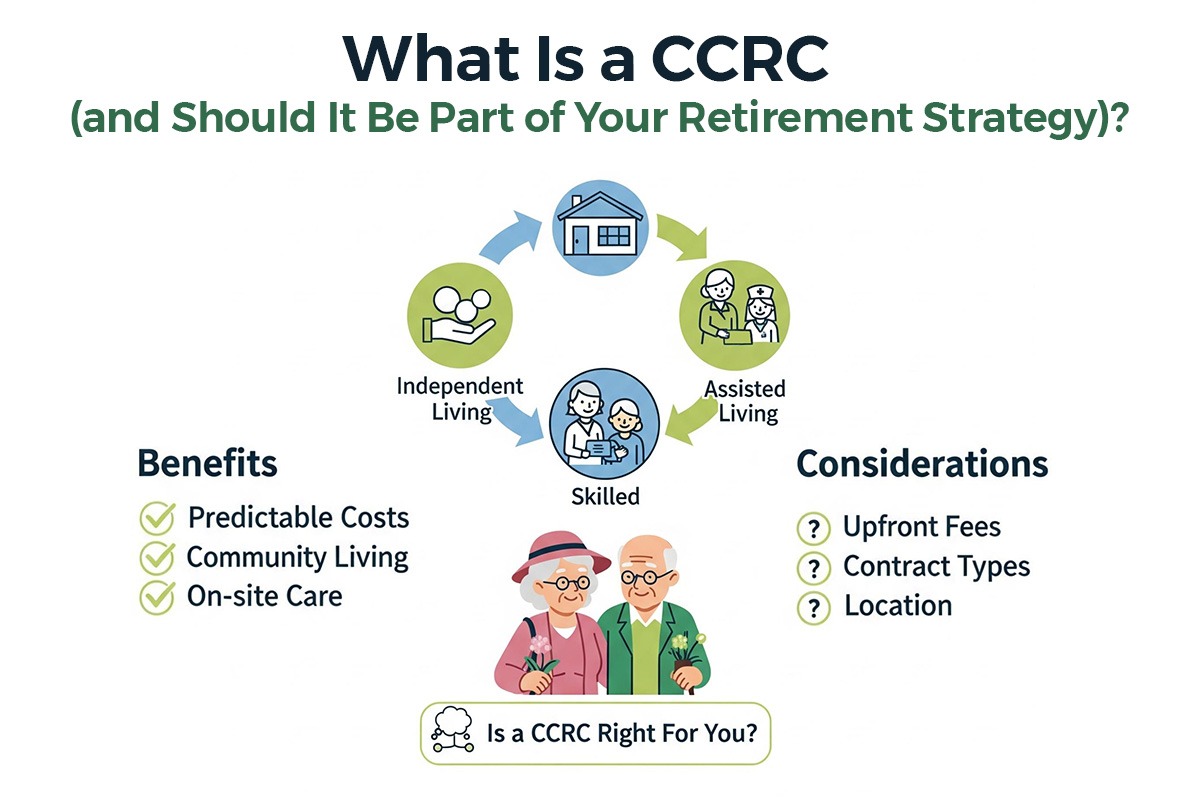
Choosing the right senior living option is one of the most important decisions a family can make, especially when a loved one may need more support over time. Continuing care retirement communities, often called CCRCs or life plan communities, are designed to offer multiple levels of care on one campus, typically including independent living, assisted living, memory care, and skilled nursing. Recent industry surveys and rankings, including national evaluations of continuing care retirement communities, reflect how much families value quality, safety, healthcare access, and resident satisfaction. But no ranking can replace a careful, personal review of your loved one’s needs, preferences, finances, and future care risks. This guide explains what families should look for when comparing communities and how to make a confident, well-informed decision.
Important Factors for Families to Consider
- Care levels matter: Look for a retirement community that can support changing needs, from independent living to skilled nursing.
- Licensing and staffing are essential: Confirm state licensing, staff training, emergency procedures, and clinical oversight.
- Costs vary widely: Understand entrance fees, monthly fees, care add-ons, refund options, and long-term affordability.
- Lifestyle affects quality of life: Dining, social activities, transportation, wellness programs, and pet-friendly senior living can influence daily happiness.
- Visit in person: Rankings and reviews are helpful, but tours, interviews, and contract reviews are critical.
What Is a Continuing Care Retirement Community?
A continuing care retirement community is a senior housing model that combines residential living with access to higher levels of care as health needs change. Many residents move in while they are still active and independent, then remain in the same broader community if they later need help with activities of daily living (ADLs), rehabilitation, dementia support, or long-term nursing care.
This model can be appealing to older adults who want stability and to adult children who want reassurance that future care needs have been considered. A CCRC may include private apartments, cottages, assisted living suites, memory care neighborhoods, healthcare centers, dining venues, fitness areas, gardens, and community activity spaces.
For families, the main benefit of a continuing care model is planning ahead. Instead of making urgent decisions during a health crisis, residents may already have a pathway to additional support within a familiar setting.
Understanding the Main Levels of Care
Independent Living
Independent living is typically best for older adults who can manage most daily routines but want convenience, social opportunities, maintenance-free housing, transportation, meals, and wellness programming. It is not the same as medical care, although some communities offer access to on-site clinics, therapy, or home care partners.
Assisted Living
Assisted living supports seniors who need help with ADLs such as bathing, dressing, grooming, toileting, medication reminders, mobility, or meal support. Families should ask how care plans are created, how often they are updated, and what happens if a resident’s needs increase.
Memory Care
Memory care is designed for people living with Alzheimer’s disease, dementia, or other cognitive changes. A high-quality memory care program should include secure spaces, dementia-trained staff, structured routines, meaningful activities, behavior support, and family communication. Ask about staff-to-resident ratios, wandering prevention, fall reduction, and how the team handles agitation or sundowning.
Skilled Nursing
Skilled nursing provides 24-hour licensed nursing care for residents who need medical monitoring, rehabilitation, wound care, medication management, or long-term nursing support. Families should review inspection reports, quality measures, infection control practices, therapy availability, and hospital transfer procedures.
Respite Care
Respite care may be available for short-term stays, giving family caregivers temporary relief or allowing a senior to recover after hospitalization. It can also help families test whether a community feels like the right fit before making a long-term commitment.
How to Evaluate Quality Beyond Rankings
National rankings and surveys can be useful starting points because they may consider reputation, resident feedback, services, safety, and amenities. However, families should treat them as one piece of the decision-making process. Quality is deeply personal, and the best community for one senior may not be the best for another.
When comparing communities, ask for evidence. Review state inspection records, licensing status, resident and family satisfaction data, staff turnover rates, and care policies. For skilled nursing areas, Medicare Care Compare can provide helpful public information. For assisted living and memory care, state regulatory websites are often the best source for inspection and complaint histories.
Questions to Ask During a Community Tour
- What levels of care are available on campus, and what services require an additional fee?
- How are care needs assessed before move-in and after a health change?
- What is the process for moving from independent living to assisted living, memory care, or skilled nursing?
- Are nurses available on-site, on-call, or 24 hours a day?
- What training do caregivers receive for dementia, fall prevention, medication support, and emergency response?
- How does the community communicate with families after changes in condition?
- What are the dining options for special diets, swallowing concerns, diabetes, or heart-healthy meals?
- Are pets allowed, and what rules apply to pet-friendly senior living accommodations?
- What transportation is available for medical appointments, shopping, worship, and social outings?
- What happens if a resident exhausts personal funds?
Financial Considerations Families Should Review
Continuing care retirement communities can have complex pricing. Some charge an entrance fee plus a monthly service fee. Others may offer rental models or different contract types. Fees can vary depending on residence size, refundability, care access, location, and included services.
Ask whether the contract is a life care agreement, modified agreement, fee-for-service contract, or rental arrangement. A life care contract may offer more predictable long-term costs, while fee-for-service models may have lower upfront costs but higher expenses when care needs increase. Families should consult an elder law attorney, financial planner, or trusted advisor before signing any major agreement.
Important costs to clarify include monthly rent, utilities, meals, housekeeping, transportation, personal care, medication management, therapy, incontinence supplies, memory care fees, skilled nursing rates, community fees, and refund terms. If long-term care insurance is involved, confirm what services may be covered and what documentation is required.
Lifestyle, Wellness, and Daily Experience
A safe community is important, but quality of life also matters. Seniors thrive when they have meaningful routines, friendships, nutritious meals, movement, purpose, and autonomy. During a visit, observe whether residents appear engaged, whether staff greet them by name, and whether common areas feel clean, welcoming, and accessible.
Strong communities often offer fitness classes, balance programs, art workshops, music, lifelong learning, spiritual services, gardening, volunteer opportunities, intergenerational programs, and outings. For many older adults, a vibrant retirement community can reduce isolation and support emotional well-being.
If your loved one has a dog or cat, ask detailed questions about pet policies. Pet-friendly senior living may include size limits, breed restrictions, vaccination requirements, pet deposits, designated walking areas, and backup care plans if the resident becomes temporarily unable to care for the pet.
Safety, Accessibility, and Healthcare Coordination
Families should evaluate how the physical environment supports aging safely. Look for grab bars, emergency call systems, good lighting, accessible bathrooms, wide hallways, elevator access, non-slip flooring, and safe outdoor paths. Ask how falls are tracked and prevented.
Healthcare coordination is equally important. Some CCRCs have relationships with local hospitals, primary care providers, specialists, therapy teams, hospice agencies, and pharmacies. Ask whether residents can keep their own physicians or must use preferred providers. If your loved one has chronic conditions such as heart disease, diabetes, Parkinson’s disease, COPD, or dementia, confirm that the community has experience supporting those needs.
Trust Signals That Suggest a Strong Community
- Transparent pricing and written explanations of services
- Clear licensing, inspection, and complaint history
- Low staff turnover and consistent leadership
- Individualized care planning and family involvement
- Clean, accessible, and well-maintained buildings
- Respectful interactions between staff and residents
- Documented emergency preparedness plans
- Positive resident and family feedback across multiple sources
Red Flags Families Should Not Ignore
Be cautious if a community avoids answering direct questions, pressures you to sign quickly, refuses to share inspection information, has strong odors, appears understaffed, or shows signs of poor maintenance. Other warning signs include frequent leadership turnover, unclear fee structures, limited activities, residents who seem disengaged, or care plans that are vague and generic.
If memory care or skilled nursing may be needed in the future, do not assume that availability means suitability. Tour those areas specifically, ask about admission criteria, and find out whether residents are ever required to move off campus if needs become too complex.
Making the Right Choice for Your Loved One
The best continuing care retirement community is one that aligns with your loved one’s health needs, personality, finances, lifestyle preferences, and long-term care goals. Use rankings and surveys as a helpful research tool, but combine them with in-person visits, regulatory checks, professional guidance, and candid family conversations.
Before deciding, compare at least two or three communities, review contracts carefully, and involve your loved one as much as possible. A thoughtful choice can provide not only housing and care, but also stability, dignity, connection, and peace of mind for the entire family.

Written by
Rachel Kim
Senior Research Lead at NearbySeniorLiving.com. Rachel brings over a decade of experience in senior care research, helping families navigate the complex landscape of care options with evidence-based guidance. Her work focuses on translating clinical research into practical advice for family caregivers.