
How Social Activities and Respite Care Support Adults With Dementia: What Family Caregivers Should Know
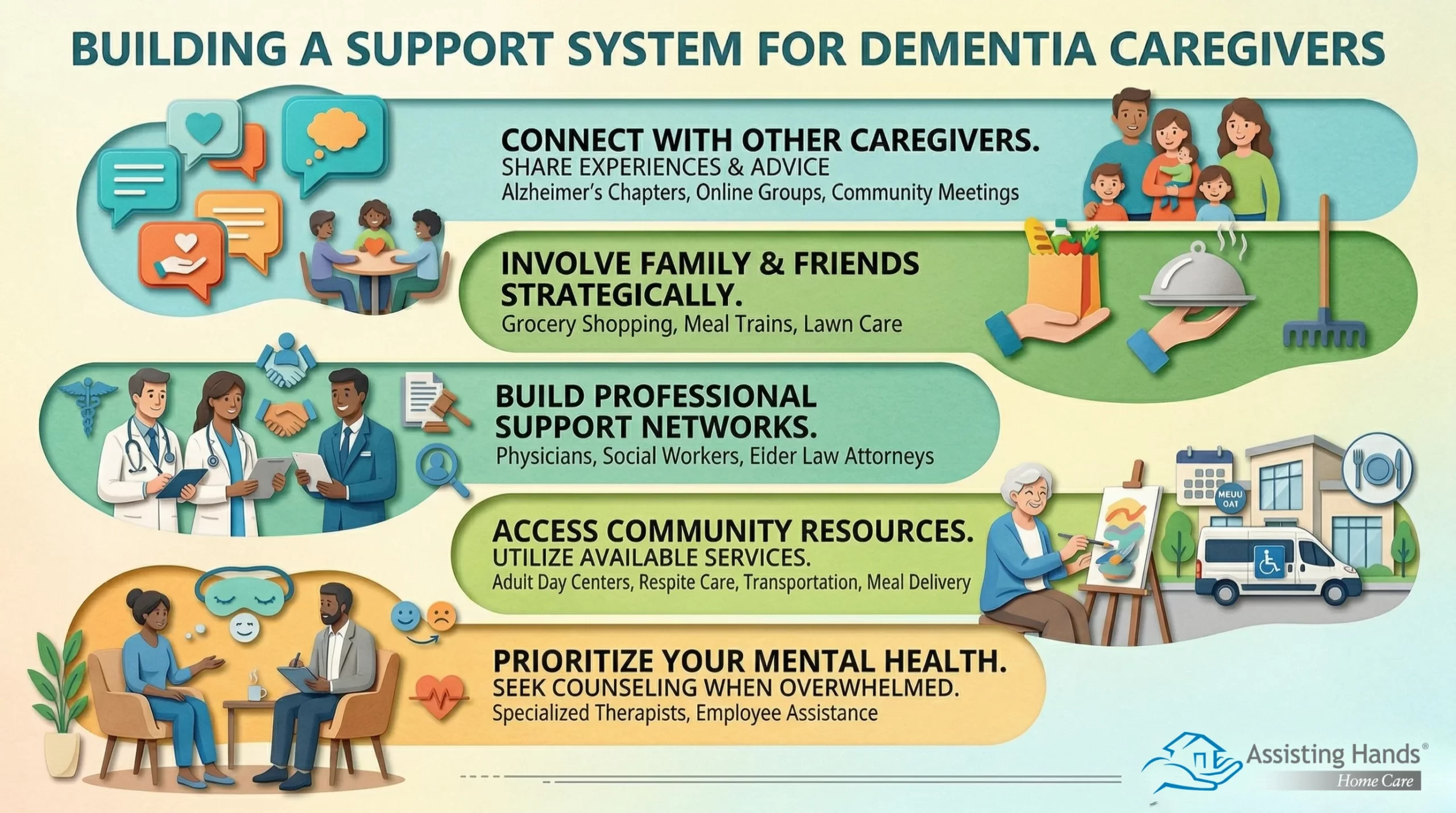
What families should know about dementia support and caregiver relief
Finding the right senior living support for a loved one with dementia can feel overwhelming, especially when you are trying to balance safety, social connection, and the need for daily caregiving help. Programs that combine social activities for adults with dementia and respite care for family caregivers can make a meaningful difference. They give older adults a chance to stay engaged, reduce isolation, and enjoy structure, while caregivers get short-term relief to rest, work, or manage their own responsibilities.
This matters because dementia affects more than memory. It can change communication, routines, mobility, and the ability to manage activities of daily living (ADLs). The best care options do more than supervise – they support identity, dignity, and quality of life. Whether your family is comparing assisted living, memory care, independent living, or a retirement community, understanding how respite and social engagement fit into the care journey can help you choose with confidence.
What makes dementia-friendly social programming valuable
Older adults living with dementia often benefit from predictable, familiar, and engaging activities. Structured social time can help reduce boredom, anxiety, and behavioral symptoms that sometimes appear when a person feels isolated or disoriented. A well-designed program may include music, light exercise, crafts, conversation groups, sensory activities, or simple games that encourage participation without pressure.
When dementia care is person-centered, it focuses on what the individual can still do, not only what has changed. That approach supports confidence, connection, and daily comfort.
For families, these programs can also be a window into what strong dementia support looks like in a broader care setting. A quality provider will adapt activities to the person’s abilities, stage of dementia, interests, and emotional needs. This is especially important when comparing community-based respite services with memory care neighborhoods inside a larger senior living campus.
Why respite care matters for family caregivers
Caregiving can be deeply rewarding, but it can also lead to exhaustion, stress, and burnout. Respite care gives family caregivers temporary relief while ensuring their loved one continues to receive attentive support. That break can last a few hours, a full day, a weekend, or longer depending on the provider.
Respite is not only for emergencies. Many families use it to:
- Attend medical appointments or handle personal errands
- Recover from sleep loss or chronic stress
- Travel for work or family obligations
- Evaluate whether a move to assisted living or memory care may be needed later
- Maintain a healthier caregiving relationship over time
In many cases, short-term respite helps families make calmer, more informed decisions about long-term care. It can also help the person with dementia become familiar with new caregivers and new surroundings before a permanent transition is considered.
How this fits into the senior living continuum
Not every care need requires the same level of support. Families often compare multiple senior housing and care options before deciding what is best.
Independent living
Independent living is usually best for older adults who are mostly self-sufficient but want fewer home maintenance responsibilities, social opportunities, and convenience. It may be a good fit early on, but it generally does not provide the supervision or dementia-specific support needed once cognitive decline affects safety or ADLs.
Assisted living
Assisted living can help with bathing, dressing, medication reminders, meals, and other daily tasks. For some people with mild cognitive changes, assisted living offers a balanced environment with social programming and support. However, families should ask whether the community is trained to care for residents with dementia, especially if wandering, confusion, or medication errors are concerns.
Memory care
Memory care is specifically designed for people living with Alzheimer’s disease and other forms of dementia. These communities typically offer secure environments, specialized staff training, predictable routines, and activities tailored to cognitive needs. If your loved one needs help with ADLs, has frequent confusion, or may be unsafe without oversight, memory care may provide the right level of support.
Skilled nursing
Skilled nursing is appropriate when a person requires ongoing medical care, rehabilitation, wound care, or more intensive nursing oversight. While some skilled nursing settings also support dementia, they are often chosen for individuals with complex health needs that go beyond what assisted living or memory care can safely provide.
Questions to ask when comparing programs
If you are evaluating a dementia activity program, a respite provider, or a senior living community, ask detailed questions so you can compare care quality, safety, and fit.
- What dementia-specific training do staff members receive?
- How are activities adapted for different cognitive and physical abilities?
- What is the staff-to-resident ratio during group programs?
- How are behaviors, wandering risk, and agitation managed?
- What ADLs can staff help with, and what is not included?
- Can the program accommodate medications, incontinence care, or mobility support?
- How do you communicate with family caregivers about changes in condition?
These questions can help you distinguish a general social program from a truly dementia-friendly service. They also reveal whether a community is prepared to coordinate care with physicians, therapists, and family members.
Signs a loved one may need more support
Sometimes families begin with social programming or respite care and later realize that a higher level of support is needed. Warning signs may include frequent falls, missed medications, unsafe wandering, weight loss, poor hygiene, agitation, or trouble completing ADLs. If your loved one is becoming isolated or unable to follow routines, it may be time to consider a more structured environment.
Look closely at how often your loved one needs cues, hands-on help, or supervision. If the answer is often, assisted living or memory care may be more appropriate than occasional respite alone. If medical needs are increasing significantly, a skilled nursing setting may be the safest choice.
How social connection supports well-being
Social interaction is not a luxury for people living with dementia. It is part of meaningful care. Familiar routines, gentle engagement, and opportunities to participate can improve mood and provide a sense of purpose. Even when memory is changing, many older adults still respond well to music, touch, movement, and simple conversation.
Programs that build connection can also reduce caregiver guilt. Families often worry that asking for help means they are failing. In reality, seeking respite care and exploring supportive senior living options is a proactive way to protect both the caregiver and the person receiving care.
Thinking ahead about the right environment
The best care setting is the one that matches current needs while allowing room for change. A person who begins in independent living may later transition to assisted living, then memory care as cognitive symptoms progress. Some families prefer a retirement community with multiple care levels on one campus so transitions are easier and less disruptive.
For those comparing options, consider whether the community is truly person-centered. Does it welcome family involvement? Does it create opportunities for engagement? Does it respect routines, preferences, and emotional needs? These details often matter as much as amenities when dementia is involved.
Families should also ask about pet-friendly senior living if a companion animal is part of the person’s emotional support system. In some cases, a pet can reduce loneliness and provide comfort, but pet policies vary widely and should be reviewed carefully before a move.
Moving forward with confidence
Choosing care for someone with dementia is rarely about one perfect answer. It is about finding the right balance of safety, comfort, and connection at the right time. Social programming and respite care can be valuable first steps, offering relief for caregivers and enriching daily life for older adults. Over time, those same experiences can help families better understand whether assisted living, memory care, skilled nursing, or another senior living option is the best fit.
By focusing on dementia-specific support, ADL assistance, and meaningful activities, families can build a care plan that protects both quality of life and caregiver well-being. That kind of planning is not only practical – it is compassionate.

Written by
Rachel Kim
Senior Research Lead at NearbySeniorLiving.com. Rachel brings over a decade of experience in senior care research, helping families navigate the complex landscape of care options with evidence-based guidance. Her work focuses on translating clinical research into practical advice for family caregivers.