
Senior Health Expo Guide for Families Comparing Senior Living and Care Options
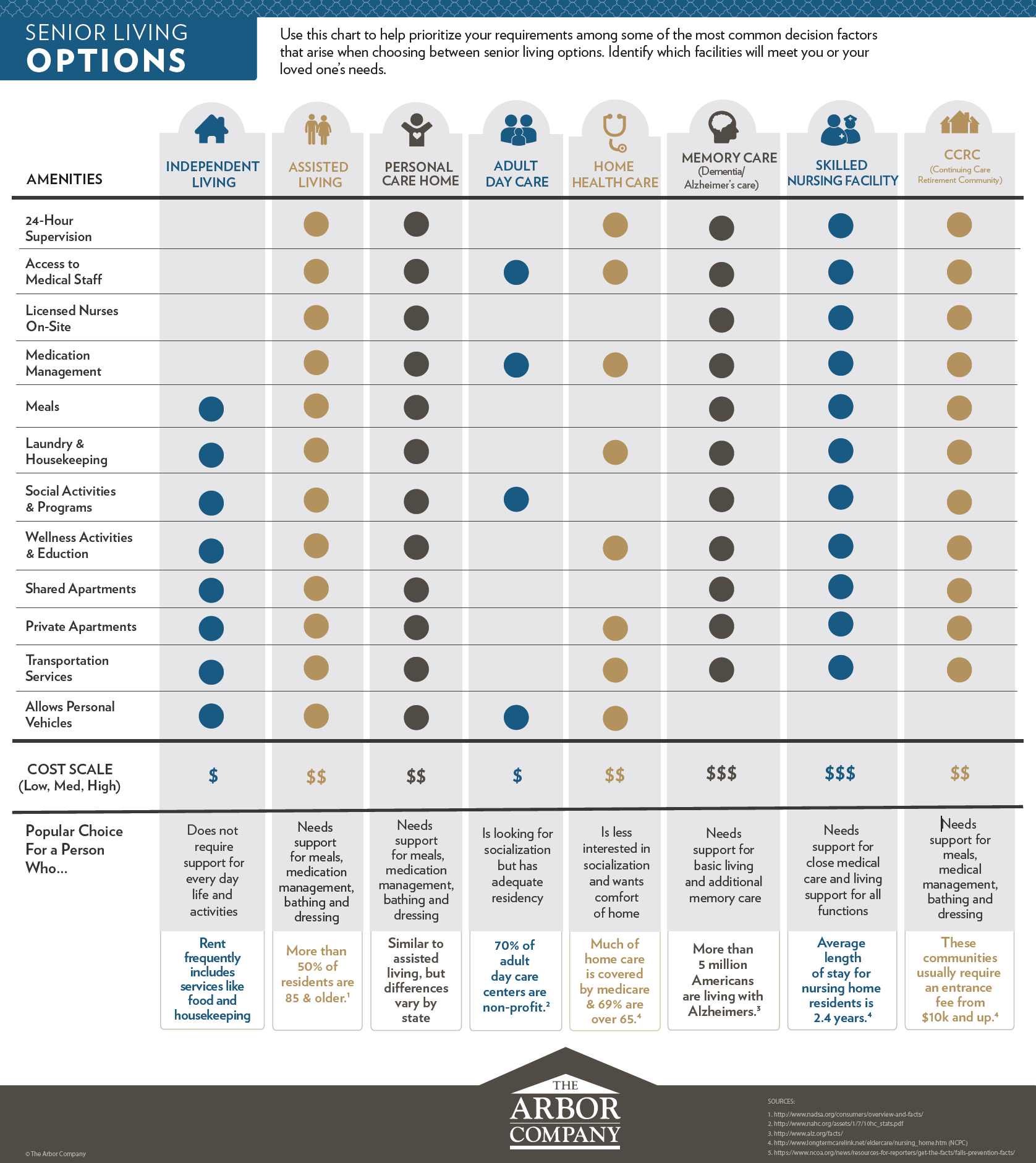
For families exploring senior living, a local senior health expo can be more than a community event. It can be a practical starting point for understanding care options, asking better questions, and connecting with trusted health, wellness, and aging service providers. Senator Steve Rhoads announced his 2nd Annual Senior Health Expo as a resource-focused event designed to bring older adults, caregivers, and service organizations together in one accessible setting. For adult children and spouses, events like this can help clarify whether a loved one may benefit from independent living, assisted living, memory care, skilled nursing, or in-home support. Because care decisions affect safety, finances, health, and quality of life, families should use these opportunities to gather information, compare providers, and identify the next steps before a crisis occurs.
What Families Should Focus On First
- Care needs: Review current support with activities of daily living (ADLs), medication management, mobility, memory, and chronic conditions.
- Living preferences: Consider whether a loved one wants a retirement community, private apartment, pet-friendly senior living, or a more medically supervised setting.
- Short-term support: Ask about respite care if a family caregiver needs temporary relief or a senior is recovering after hospitalization.
- Safety and oversight: Compare staffing, emergency response procedures, transportation, fall prevention, and care coordination.
- Costs and eligibility: Request clear information about pricing, insurance, benefits, and what is included in monthly fees.
Why a Senior Health Expo Can Help With Care Planning
A senior health expo brings many resources into one place, often including health screenings, public agencies, nonprofit organizations, senior service providers, and community programs. According to the New York State Senate announcement, Senator Rhoads’ event is intended to support older adults and caregivers by connecting them with health and wellness information. For families, that setting can make an overwhelming process feel more manageable.
Instead of calling dozens of offices separately, families can speak directly with representatives, collect brochures, ask about eligibility, and compare services side by side. This is especially helpful when a parent is mostly independent but beginning to need more support with transportation, meals, medication reminders, bathing, dressing, or other activities of daily living (ADLs).
Before choosing any care setting, families should confirm licensing, services, staffing, costs, and whether the provider can meet both current and future needs.
Understanding the Main Senior Care Options
Independent Living
Independent living is designed for older adults who can manage most personal care needs but want a more convenient, social, and maintenance-free lifestyle. These communities may offer private apartments, meals, housekeeping, transportation, fitness programs, and social events. They are often a good fit for seniors who feel isolated at home or no longer want the burden of home upkeep.
At an expo, ask whether independent living communities offer a continuum of care. Some are part of a larger retirement community where residents can transition to assisted living or skilled nursing if needs increase.
Assisted Living
Assisted living supports seniors who need help with daily tasks but do not require 24-hour medical care. Services often include assistance with bathing, dressing, toileting, grooming, mobility, meals, medication support, housekeeping, and transportation. This option can help families balance safety with independence.
When speaking with assisted living providers, ask how they assess care levels, how often care plans are updated, what training staff receive, and how they communicate changes to family members. Families should also ask whether the community can support residents as needs progress.
Memory Care
Memory care is specialized support for people living with Alzheimer’s disease, dementia, or other cognitive changes. These programs typically include secured environments, structured routines, trained staff, cognitive engagement, and safety-focused design. Memory care may be appropriate when wandering, confusion, agitation, medication errors, or caregiver burnout become major concerns.
At a senior health expo, families should ask memory care providers about staff training, behavior support, activities, family communication, dining support, and how they protect dignity while maintaining safety.
Skilled Nursing
Skilled nursing provides a higher level of medical oversight than assisted living. It may be needed for seniors who require rehabilitation, wound care, injections, complex medication management, or ongoing nursing supervision. Skilled nursing may be short term after a hospital stay or long term for individuals with significant medical needs.
Families should ask about therapy services, nursing coverage, physician access, infection control practices, discharge planning, and Medicare or insurance participation. Because skilled nursing decisions often happen after a health crisis, gathering information early can reduce stress later.
Respite Care
Respite care offers temporary support for older adults and relief for family caregivers. It may be available in assisted living, memory care, skilled nursing, adult day programs, or through in-home care. Respite care can be useful when a caregiver is traveling, recovering from illness, managing burnout, or testing whether a community setting might be a good long-term fit.
If you are a caregiver, ask providers how quickly respite care can be arranged, what assessments are required, what the minimum stay is, and whether medication management is included.
Questions to Ask Providers at a Senior Health Expo
Families often get the most value from an expo when they arrive with a short checklist. Use the event to move beyond general brochures and gather practical details.
- What types of residents or clients do you serve best?
- How do you evaluate care needs and activities of daily living (ADLs)?
- What is included in the base price, and what costs extra?
- Do you offer transportation to medical appointments?
- How are emergencies handled after hours?
- What staff training is required for dementia, mobility support, and fall prevention?
- Are pets allowed, and what are the rules for pet-friendly senior living?
- Can couples remain together if one person needs more care?
- How do you involve family members in care planning?
- What happens if a resident’s needs increase?
How Pet-Friendly Senior Living Can Affect Quality of Life
For many older adults, a pet is a source of companionship, routine, and emotional comfort. Pet-friendly senior living can make a transition feel less disruptive, especially for seniors moving from a long-time home. However, policies vary widely.
Families should ask about pet size limits, breed restrictions, deposits, outdoor areas, vaccination requirements, and what happens if the resident can no longer care for the pet independently. A community may be pet-friendly, but it still needs a realistic plan to protect the senior, the animal, and other residents.
Using Expo Information to Compare Communities
After attending a senior health expo, organize the materials you collected and compare providers using consistent criteria. Create a simple chart with columns for care type, location, cost, services, staffing, transportation, pet policy, availability, and next steps. This makes it easier to compare independent living, assisted living, memory care, skilled nursing, and respite care without relying on memory alone.
Families should also schedule tours, read inspection information when available, review contracts carefully, and speak with a physician or care manager when medical issues are involved. A health expo is a helpful first step, but it should not replace individualized medical, legal, or financial guidance.
Practical Next Steps for Caregivers
If your loved one is safe and stable, begin planning before urgent care is needed. Talk openly about preferences, budget, location, health concerns, and what independence means to the senior. If your loved one is already struggling, prioritize safety concerns such as falls, missed medications, poor nutrition, wandering, or caregiver exhaustion.
Use local events like Senator Rhoads’ Senior Health Expo to build a resource list, learn what services exist nearby, and identify providers that match your family’s needs. The best decision is not always the most expensive option. It is the care setting that can meet your loved one’s needs, respect personal preferences, and provide reliable support as circumstances change.
Final Guidance for Families
Senior care decisions are deeply personal, but families do not have to make them alone. A well-planned visit to a senior health expo can help you understand available services, ask informed questions, and prepare for future transitions. Whether you are considering a retirement community, pet-friendly senior living, assisted living, memory care, skilled nursing, independent living, or respite care, focus on safety, dignity, transparency, and long-term fit.

Written by
Rachel Kim
Senior Research Lead at NearbySeniorLiving.com. Rachel brings over a decade of experience in senior care research, helping families navigate the complex landscape of care options with evidence-based guidance. Her work focuses on translating clinical research into practical advice for family caregivers.