
New Memory Care Center in Lancaster: What Families Should Know About Senior Living Choices
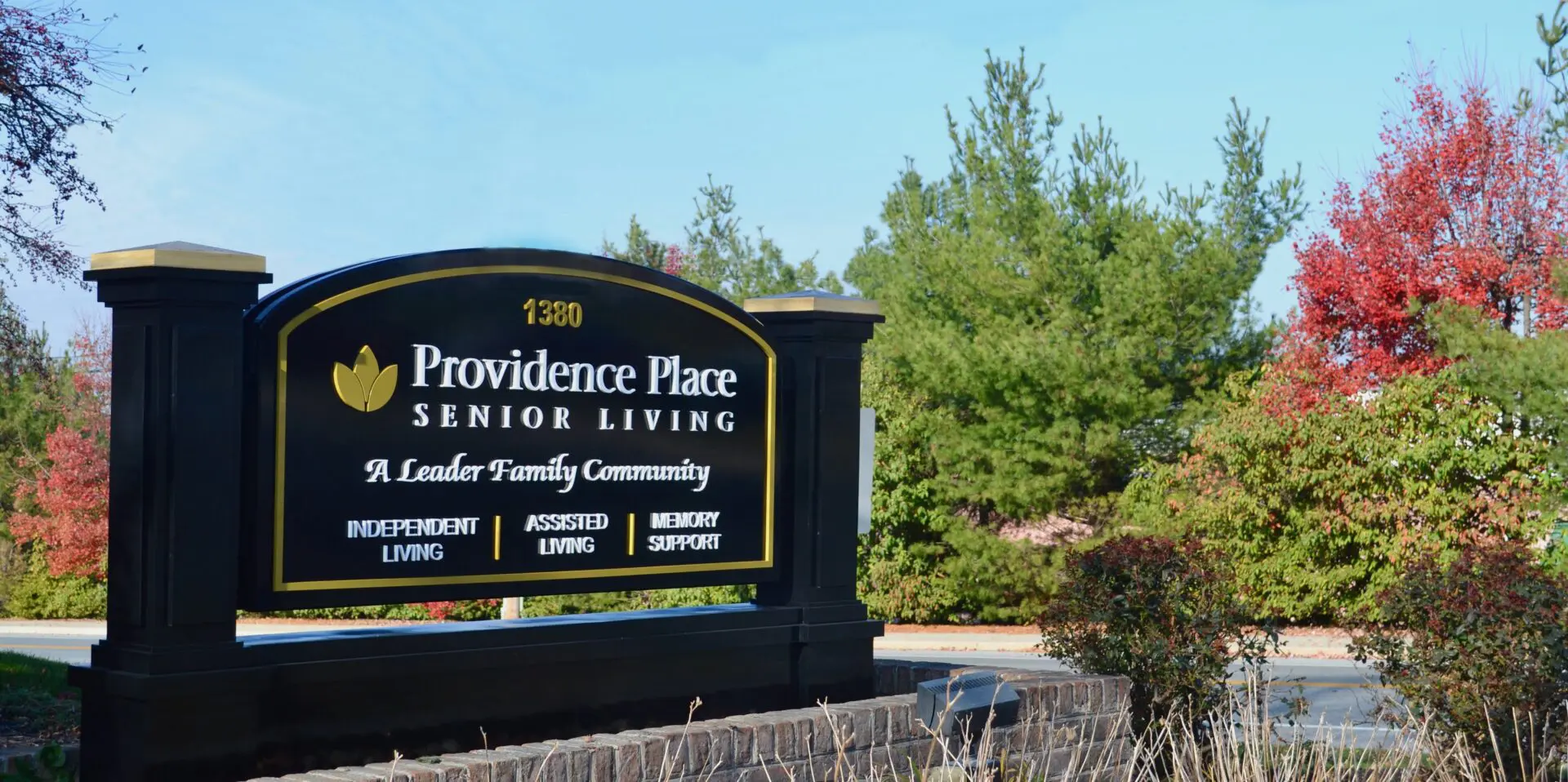
Families exploring senior living in Lancaster have a new reason to look closely at specialized dementia support. According to a local report from LancasterOnline, a ribbon-cutting ceremony was held for the Marlin and Doris Thomas Memory Center at Willow Valley Communities, highlighting continued investment in care environments for older adults with memory-related conditions. For spouses, adult children, and caregivers, openings like this raise important questions: What makes memory care different from assisted living? When is skilled nursing necessary? How do you compare safety, staffing, daily engagement, and dignity of care? Understanding these differences can help families make confident decisions while honoring a loved one’s routines, preferences, and long-term health needs.
Important Points for Families Comparing Care Options
- Memory care is designed for cognitive support: It typically includes secured settings, structured routines, dementia-trained staff, and activities adapted for residents with Alzheimer’s disease or other forms of dementia.
- Care needs can change over time: A person may begin in independent living or assisted living, then transition to memory care or skilled nursing as medical or safety needs increase.
- Daily life matters as much as clinical care: Families should evaluate meals, engagement, social connection, outdoor access, and help with activities of daily living (ADLs).
- Location and family involvement are key: A nearby retirement community can make visits, care conferences, and emotional support easier for everyone involved.
- Ask about respite care: Short-term stays may help caregivers recover, travel, or evaluate whether a community is a good long-term fit.
Why a Dedicated Memory Care Center Matters
The opening of a dedicated memory center signals a growing recognition that dementia care requires more than general senior housing. Memory care communities are commonly designed around predictability, comfort, and safety. This may include easy-to-navigate layouts, secure entrances and exits, calming common areas, and programs that reduce confusion while encouraging participation.
For families in Lancaster and surrounding areas, a purpose-built setting can be especially valuable when a loved one is experiencing wandering, sundowning, agitation, medication challenges, or difficulty completing daily routines. While every community is different, the best memory care programs aim to preserve independence wherever possible while providing close supervision and compassionate support.
When evaluating memory care, families should look beyond the building itself. The quality of training, communication, staffing consistency, and person-centered routines often shape the resident experience most.
Memory Care vs. Assisted Living: Understanding the Difference
Assisted living is generally intended for older adults who need help with daily tasks but do not require around-the-clock medical care. Residents may receive support with bathing, dressing, grooming, mobility, medication reminders, meals, housekeeping, and transportation. Many assisted living communities also provide social programs, wellness activities, and access to care coordination.
Memory care is more specialized. It is typically for people with Alzheimer’s disease, vascular dementia, Lewy body dementia, frontotemporal dementia, or other cognitive changes that affect safety and daily functioning. Staff in memory care settings should be trained to communicate with residents who may have confusion, repetitive questions, anxiety, or changes in behavior.
Families should ask whether an assisted living community can support dementia progression or whether a move to a dedicated memory care neighborhood would be more appropriate. The right answer depends on the person’s diagnosis, behaviors, mobility, medication needs, sleep patterns, and ability to participate safely in daily life.
Where Independent Living Fits in the Senior Living Continuum
Independent living is often best suited for active older adults who want fewer home maintenance responsibilities and more convenient access to dining, activities, fitness, transportation, and social opportunities. It is not a substitute for hands-on care. However, many older adults choose independent living within a larger retirement community because it can offer access to higher levels of care if needs change.
This continuum can be helpful for couples with different needs. For example, one spouse may thrive in independent living while another eventually requires assisted living or memory care. When reviewing senior living options, families should ask how transitions are handled, whether residents receive priority access to higher care levels, and how costs change as services increase.
When Skilled Nursing May Be Needed
Skilled nursing provides a higher level of clinical care than independent living, assisted living, or standard memory care. It may be appropriate after hospitalization, surgery, stroke, serious illness, or when a person needs ongoing nursing oversight, wound care, rehabilitation, injections, complex medication management, or significant mobility assistance.
Some older adults with dementia may eventually need skilled nursing if medical needs become too complex for memory care. Others may need short-term skilled nursing for rehabilitation before returning to assisted living or memory care. Families should clarify whether a senior living provider offers skilled nursing on campus or coordinates with nearby rehabilitation and nursing facilities.
Evaluating Help With Activities of Daily Living
One of the most practical ways to assess care needs is to review activities of daily living (ADLs). These include bathing, dressing, toileting, transferring, eating, and continence. A person who struggles with several ADLs may need a more supportive setting, especially if memory loss interferes with judgment or safety.
Families should ask communities how ADL support is assessed, how often care plans are updated, and whether staff are available overnight. It is also important to understand which services are included in the base monthly fee and which services cost extra. Transparent pricing helps families plan realistically and avoid unexpected financial stress.
What to Ask During a Memory Care Tour
A tour is one of the best opportunities to observe the culture of a community. Pay attention to how staff greet residents, whether residents appear engaged, and whether the environment feels calm, clean, and respectful. Families should also ask direct questions about dementia training, emergency procedures, family communication, and staffing patterns.
Questions to Bring With You
- What dementia-specific training do caregivers receive, and how often is it refreshed?
- How does the community respond to wandering, agitation, falls, or exit-seeking behavior?
- What is the staff-to-resident ratio during the day, evening, and overnight?
- How are meals adapted for residents who have difficulty using utensils or staying seated?
- What activities are offered for residents at different cognitive and physical ability levels?
- How are care plans created, reviewed, and shared with families?
- Are physicians, therapists, or nurses available on-site or by scheduled visits?
- Can the community support hospice care if needed later?
The Role of Meaningful Engagement
Quality memory care is not only about supervision. It should also include purposeful engagement. Music, art, movement, gardening, spiritual programs, reminiscence activities, sensory experiences, and small-group social opportunities can help residents feel connected and valued. The best programs adapt activities to the person rather than expecting the person to adapt to a rigid schedule.
Family members should ask how the community learns each resident’s life story, former occupation, hobbies, food preferences, cultural background, and daily rhythms. These details can reduce distress and help caregivers build trust. A person-centered approach is especially important when verbal communication becomes more difficult.
Considering Respite Care for Short-Term Support
Respite care can be an important option for family caregivers who need temporary relief. A short-term stay may be used while a caregiver travels, recovers from illness, manages work responsibilities, or simply needs rest. It can also help families evaluate a community before making a long-term commitment.
Not every community offers respite care, and availability may depend on current occupancy. Families should ask about minimum stay requirements, required assessments, medication policies, and what personal items can be brought from home. For a person with memory loss, familiar clothing, photos, blankets, or music may ease the transition.
Pet-Friendly Senior Living and Emotional Well-Being
For many older adults, pets are family. Pet-friendly senior living can support emotional well-being, routine, and companionship. However, memory care settings may have more restrictions than independent living or assisted living because of safety, allergies, resident needs, and staff responsibilities.
If a loved one has a pet, ask whether animals are allowed, what size or breed limits apply, who is responsible for feeding and walking, and what happens if the resident can no longer care for the pet. Some communities that do not allow personal pets may still offer pet therapy visits or community animals, which can provide comfort without the same level of responsibility.
How Families Can Compare Senior Living Communities With Confidence
Choosing a senior living community is both an emotional and practical decision. Families should compare licensing, services, staffing, safety features, resident rights, inspection history when available, and the full cost of care. For memory care, it is especially important to evaluate whether the community can manage current needs and likely future changes.
After touring, consider visiting again at a different time of day. Mealtimes and evenings can reveal how staff manage transitions, engagement, and resident comfort. Families may also request sample activity calendars, menus, care plan templates, and information about move-in assessments.
Documents to Review Before Making a Decision
- Residency agreement and fee schedule
- Care assessment and service plan
- Medication management policies
- Discharge or transfer criteria
- Resident rights and grievance procedures
- Emergency preparedness plan
- Visitation and family communication policies
A Thoughtful Next Step for Lancaster Families
The ribbon-cutting for the Marlin and Doris Thomas Memory Center at Willow Valley Communities reflects a broader need for specialized support as more families navigate dementia, aging, and long-term care planning. Whether you are comparing independent living, assisted living, memory care, skilled nursing, or a full-service retirement community, the best choice should align with your loved one’s safety, dignity, health needs, personality, and financial resources.
Before deciding, speak with your loved one’s physician, ask each community detailed questions, and include trusted family members or advisors in the process. A careful, informed approach can help you find care that supports not just where an older adult lives, but how they continue to experience comfort, purpose, and connection.

Written by
Rachel Kim
Senior Research Lead at NearbySeniorLiving.com. Rachel brings over a decade of experience in senior care research, helping families navigate the complex landscape of care options with evidence-based guidance. Her work focuses on translating clinical research into practical advice for family caregivers.