
How Hospital Quality Affects Senior Living Choices: What Families Should Know
How Hospital Quality Shapes Better Senior Care Decisions
When families begin exploring senior living options, it is easy to focus first on amenities, floor plans, and social activities. Yet one of the most important factors is often overlooked – the quality of nearby hospital care and how well that care connects to the next stage of support. A strong hospital system can play a major role in helping older adults transition safely from acute care to assisted living, memory care, skilled nursing, or independent living. It can also affect how quickly a loved one recovers after surgery, illness, or a fall. For family decision-makers, understanding this connection can lead to safer choices, better outcomes, and greater peace of mind. In today’s senior care landscape, quality health care and quality living options go hand in hand.
What Families Should Notice First
- Care coordination matters. Hospitals with strong discharge planning can help seniors move smoothly into the right level of care.
- Recovery support is essential. After a hospitalization, access to rehabilitation, medication management, and nursing oversight can lower the risk of complications.
- Not every community offers the same fit. Some older adults need a retirement community with active amenities, while others need more hands-on support with activities of daily living (ADLs).
- Specialized care can improve quality of life. Dementia-informed services, respite care, and skilled support may be necessary depending on changing health needs.
- Location still matters. Choosing a senior living community near trusted medical services can make ongoing care easier for residents and families.
Why Hospital Quality Should Influence Senior Living Search Criteria
Hospital quality is more than a statistic. For older adults, it can affect everything from emergency response to long-term recovery. A well-rated hospital may have stronger protocols for patient safety, better communication among clinicians, and more effective discharge planning. Those strengths are especially important for seniors who may already be managing chronic conditions, medication changes, or mobility challenges.
Families often think about the first move – choosing an apartment, a care level, or a community – but the better question is how well that community connects with health care partners. If a resident experiences a fall, infection, stroke, or heart-related issue, the transition from hospital back to daily life must be handled carefully. That is where the relationship between medical providers and senior living communities becomes critical.
Matching the Right Care Level to Daily Needs
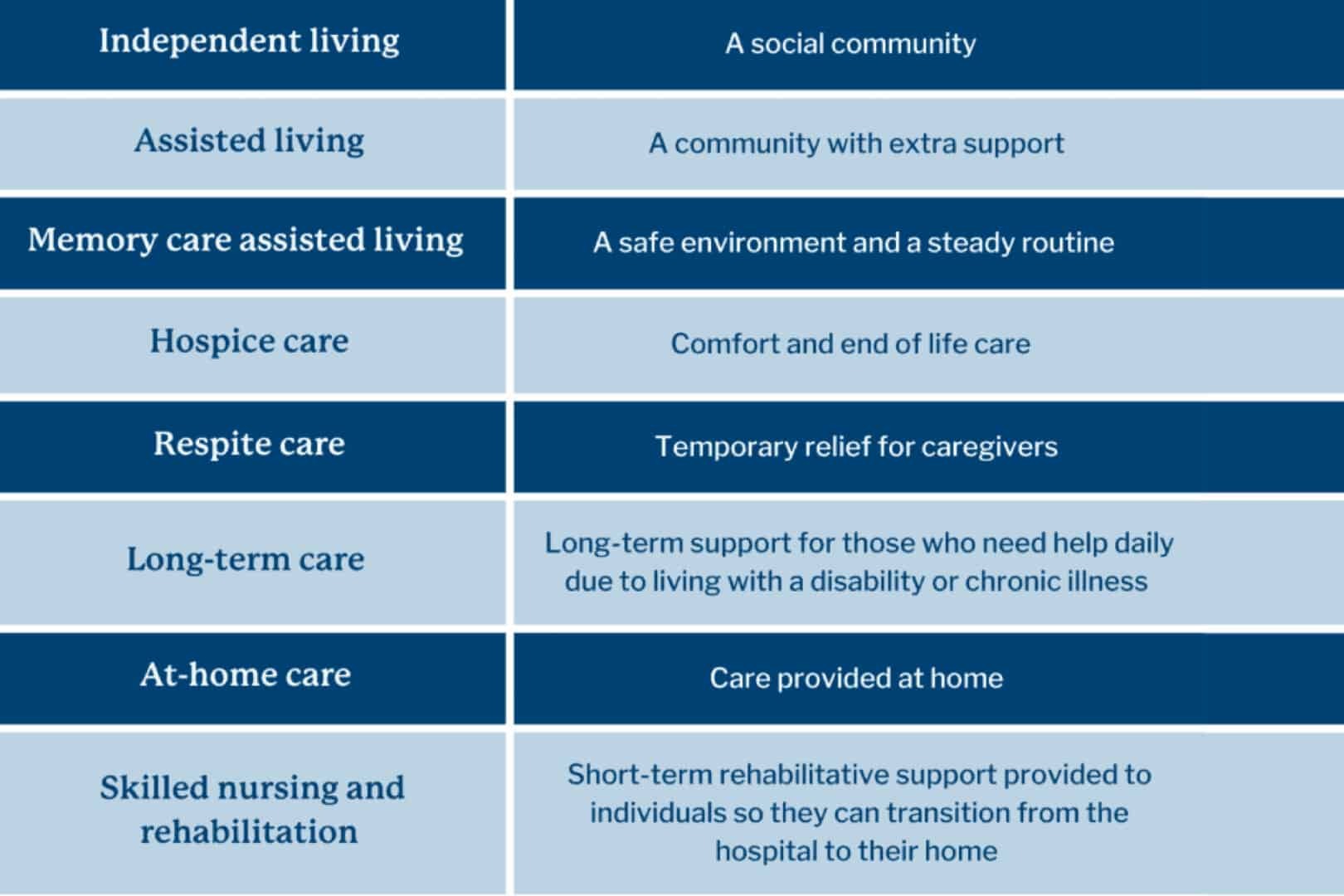
Independent Living for Active Older Adults
Independent living is often a good fit for older adults who want a maintenance-free lifestyle with social opportunities and fewer household responsibilities. These communities are designed for seniors who do not need regular help with ADLs, but who value convenience, safety, and access to a supportive environment. Hospital quality still matters here because even active older adults may need sudden care after an injury or illness.
Assisted Living for Help with ADLs
Assisted living is designed for seniors who need support with activities of daily living such as bathing, dressing, grooming, medication reminders, and meals. For families, the right assisted living community can reduce stress while preserving dignity and independence. Strong hospital partnerships may help identify when a resident needs a higher level of support or a temporary step up after a medical event.
Memory Care for Cognitive Support
Memory care communities provide structured support for people living with Alzheimer’s disease or other forms of dementia. These settings often include secure environments, trained staff, routine-based programming, and specialized communication approaches. Because seniors with memory loss may have more complex medical needs, good communication between hospital teams and memory care staff is especially important during discharge and medication reconciliation.
Skilled Nursing for Intensive Recovery or Long-Term Care
Skilled nursing may be the best option for seniors who need 24-hour nursing supervision, rehabilitation therapies, wound care, or support after a major medical event. A high-quality hospital system can help determine whether skilled nursing is needed temporarily for recovery or longer term for ongoing health management. Families should ask how a community coordinates with local hospitals and rehabilitation teams to support continuity of care.
Questions to Ask When Comparing Senior Living Options
Whether you are evaluating a retirement community or a more specialized care setting, asking the right questions can clarify how well a community supports aging adults before, during, and after a hospital stay.
- How does the community coordinate with local hospitals and physicians?
- What happens if a resident returns from the hospital with changed medication or care needs?
- Are nurses available on-site, and at what hours?
- How are ADLs assessed, and how often are care plans updated?
- What dementia training do staff members receive for memory care residents?
- Is respite care available for short-term recovery or caregiver relief?
- Does the community offer pet-friendly senior living, if keeping a companion animal is important?
These questions help families move beyond brochures and focus on the quality of support that matters most.
The Role of Respite Care in Recovery and Caregiver Support
Respite care can be a valuable short-term solution after a hospitalization, during a caregiver break, or while deciding on a long-term plan. It can also serve as a bridge for seniors who are recovering from illness and need extra help before returning home or transitioning into another living arrangement. Families often use respite stays to evaluate services, staff responsiveness, meal quality, and overall comfort before making a permanent decision.
Because recovery needs can change quickly, access to respite care near reliable hospitals can be especially helpful. If a loved one’s condition worsens, having a nearby medical partner can make follow-up care easier and safer.
How Pet-Friendly Senior Living Can Support Well-Being
For many older adults, a pet is more than a companion – it is part of emotional health and daily routine. Pet-friendly senior living options can reduce stress, ease loneliness, and create a stronger sense of home. When comparing communities, families should ask about pet policies, service animal guidelines, walking areas, and support for residents who may need help caring for an animal.
That said, pet-friendly features should always be balanced with health and safety needs. A community that allows pets but lacks good care coordination may not be the best choice for a senior with complex medical conditions. The best fit supports both lifestyle and wellness.
What High-Authority Communities Tend to Share
Trustworthy senior living communities often demonstrate a few common strengths. They provide clear information, keep care plans updated, communicate with families promptly, and make it easy to understand what levels of support are available. They also recognize that older adults do not fit into one category. Some residents thrive in independent living for years, while others may eventually need assisted living, memory care, or skilled nursing.
For family caregivers, the best decision is rarely about choosing the fanciest community. It is about finding the safest, most appropriate environment where medical needs, social preferences, and daily support needs can be met together.
Bringing the Health Care and Living Experience Together
Choosing senior housing is not just a lifestyle decision – it is a health care decision. Families who consider hospital quality alongside community services are better positioned to select an option that supports both present needs and future changes. A senior living community connected to strong medical care can offer greater stability during recovery, reduce transitions, and improve communication when health conditions evolve.
Whether your loved one is looking for independent living, assisted living, memory care, skilled nursing, or respite care, the right choice should reflect the full picture of wellness. That includes ADLs, care coordination, emergency readiness, and the emotional benefits of a familiar, supportive environment.
In the end, the most effective senior living search is one that looks beyond amenities and asks a deeper question: will this community help my loved one stay safe, supported, and well cared for as needs change over time?

Written by
Rachel Kim
Senior Research Lead at NearbySeniorLiving.com. Rachel brings over a decade of experience in senior care research, helping families navigate the complex landscape of care options with evidence-based guidance. Her work focuses on translating clinical research into practical advice for family caregivers.