
How Families Can Evaluate Nursing Home Safety, Staffing, and Senior Care Options After a Serious Incident
When a Serious Incident Raises Questions About Senior Care
A troubling incident at a nursing home can leave families asking the hardest questions at the exact moment they need clear answers. If you are comparing senior living options for a parent or spouse, safety, staffing, and accountability should be at the center of your decision. A strong care environment is about more than a building or a beautiful dining room – it is about whether residents are protected, supervised, and treated with dignity every day.
Families exploring assisted living, memory care, skilled nursing, independent living, or respite care should know what to look for before making a commitment. This includes understanding how a retirement community handles activities of daily living (ADLs), medication support, fall prevention, wandering risk, and family communication. The right questions can help you separate marketing from meaningful care and choose a setting that truly fits your loved one’s needs.
In senior care, trust is built through consistent staffing, transparent communication, and a demonstrated commitment to resident safety.
What Families Should Pay Attention To
- Staffing levels matter: Adequate caregiver coverage affects supervision, response time, and overall resident safety.
- Care type must match needs: Assisted living, memory care, skilled nursing, and independent living offer very different levels of support.
- Ask about ADL assistance: Help with bathing, dressing, toileting, eating, and mobility should be clearly explained.
- Watch for strong oversight: Reliable communities have clear reporting processes, staff training, and family communication practices.
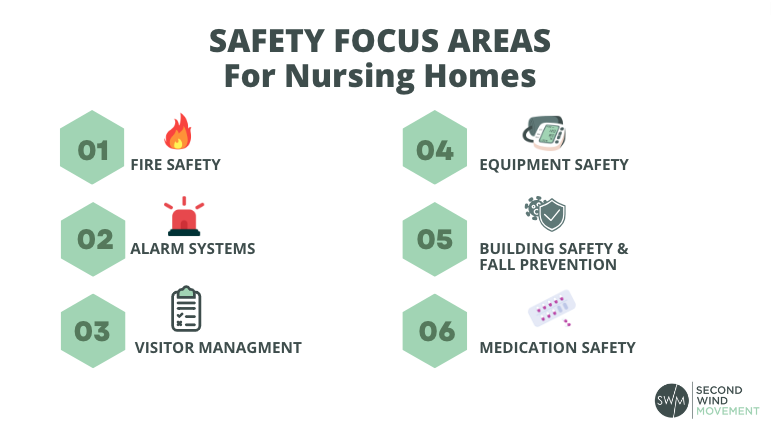
- Safety is more than security: It includes fall prevention, infection control, transportation policies, and emergency preparedness.
Understanding the Different Senior Living Levels
Not every older adult needs the same type of support. A good evaluation starts with matching the person’s health status, cognitive needs, and daily routine to the right setting.
Independent Living
Independent living is often the best fit for active older adults who can manage most tasks on their own. These communities typically offer private apartments, meals, housekeeping, and social opportunities without hands-on personal care. They are a strong option for seniors who want convenience, companionship, and fewer responsibilities.
Assisted Living
Assisted living is designed for residents who need help with ADLs but do not require the intensive medical supervision found in a nursing facility. Support may include bathing, dressing, medication reminders, mobility assistance, and personal care. Families should ask how staff respond to changing needs, especially if a loved one’s condition could progress over time.
Memory Care
Memory care provides specialized support for people living with Alzheimer’s disease or other forms of dementia. These neighborhoods or communities often feature secured environments, structured routines, and staff trained in managing confusion, wandering, and behavioral changes. If your loved one is showing signs of disorientation or safety risks, memory care may provide a more appropriate level of protection than standard assisted living.
Skilled Nursing
Skilled nursing offers the highest level of around-the-clock clinical support outside a hospital. It is often appropriate for seniors recovering from surgery, managing complex medical conditions, or needing ongoing rehabilitation. Families should review how the facility handles wound care, medication administration, therapy services, and physician involvement.
Respite Care
Respite care gives family caregivers a temporary break while their loved one receives short-term support in a professional setting. This can be a useful bridge during recovery, travel, caregiver burnout, or while evaluating a permanent move. A trial stay can also help families assess whether a community feels safe, attentive, and welcoming.
Safety Questions Every Family Should Ask
Before selecting a retirement community or care facility, ask direct questions about staffing, supervision, and resident protections. The answers should be specific, not vague.
- How many caregivers are on duty during the day, evening, overnight, and weekends?
- What training do staff members receive in fall prevention, dementia care, and emergency response?
- How are incidents reported to management and families?
- What happens if a resident becomes confused, anxious, or medically unstable?
- How does the community monitor residents who need help with ADLs?
- Are there alarm systems, secured exits, or elopement protocols when needed?
It is also important to observe how employees interact with residents during a visit. Do staff members greet residents by name? Do they respond promptly when someone needs help? A warm atmosphere is important, but consistency and attentiveness are what protect residents over time.
Signs of a Strong Senior Care Environment
High-quality senior living communities usually make their standards visible. You may notice clean common areas, engaged staff, organized medication procedures, and active daily programming. More importantly, you should see evidence that residents are treated as individuals.
Personalized Care Plans
A strong provider creates care plans based on medical history, mobility, cognitive status, dietary needs, and personal preferences. This is especially important in assisted living and memory care, where a one-size-fits-all approach can lead to missed needs.
Meaningful Activities and Social Connection
Activities should be more than entertainment. A well-run senior living setting offers purposeful engagement that supports emotional health, physical movement, and cognitive stimulation. Look for exercise classes, music, games, creative projects, religious services, and outings that help residents stay connected.
Transparent Communication
Families should receive timely updates about changes in health, behavior, or care level. Transparent communication is a sign of accountability and can help families intervene before small issues become larger concerns.
How to Compare Communities with Confidence
When touring senior living options, bring a checklist and trust what you observe. Pictures online may show a polished lobby, but day-to-day care happens behind the scenes.
- Ask to see resident rooms, dining areas, outdoor spaces, and activity calendars.
- Request information about licensing, inspections, and complaint history.
- Review staffing ratios and staff turnover if the community shares them.
- Ask whether the community can support changing needs over time, including a transition from assisted living to skilled nursing if necessary.
- Find out whether the community is pet-friendly senior living if companionship from a pet is important to your loved one.
Pet-friendly senior living can be a major quality-of-life factor for older adults who rely on animal companionship. If a pet is part of the family, confirm policies for size, breed, vaccinations, and care responsibilities before signing any agreement.
Why Experience and Oversight Matter
Choosing care for an older adult is both an emotional and financial decision. The best communities combine compassion with process. That means trained employees, documented procedures, and leaders who take responsibility when something goes wrong.
Families should look for senior care providers that can clearly explain how they protect residents, support ADLs, and respond to changes in condition.
If a community cannot answer basic questions about staffing, supervision, or escalation protocols, consider that a warning sign. Trustworthy providers welcome questions because they know informed families make safer decisions.
Building a Safer Path Forward
Whether you are planning ahead or responding to a recent concern, focus on fit, safety, and accountability. Compare assisted living, memory care, skilled nursing, independent living, and respite care based on the older adult’s current needs and likely future needs. A good match can preserve independence where possible while still providing the oversight required for health and dignity.
For many families, the search begins with one difficult story. The best next step is to turn that concern into a careful evaluation. Ask direct questions, tour in person, and look for proof that the community can provide consistent care, not just attractive amenities. When you do, you are more likely to find a senior living option that offers comfort, respect, and peace of mind.

Written by
Rachel Kim
Senior Research Lead at NearbySeniorLiving.com. Rachel brings over a decade of experience in senior care research, helping families navigate the complex landscape of care options with evidence-based guidance. Her work focuses on translating clinical research into practical advice for family caregivers.