
What Seniors and Families Can Learn from Autonomous Wheelchairs at Changi Airport: Mobility, Safety, and Senior Living Support
Why this mobility innovation matters for older adults
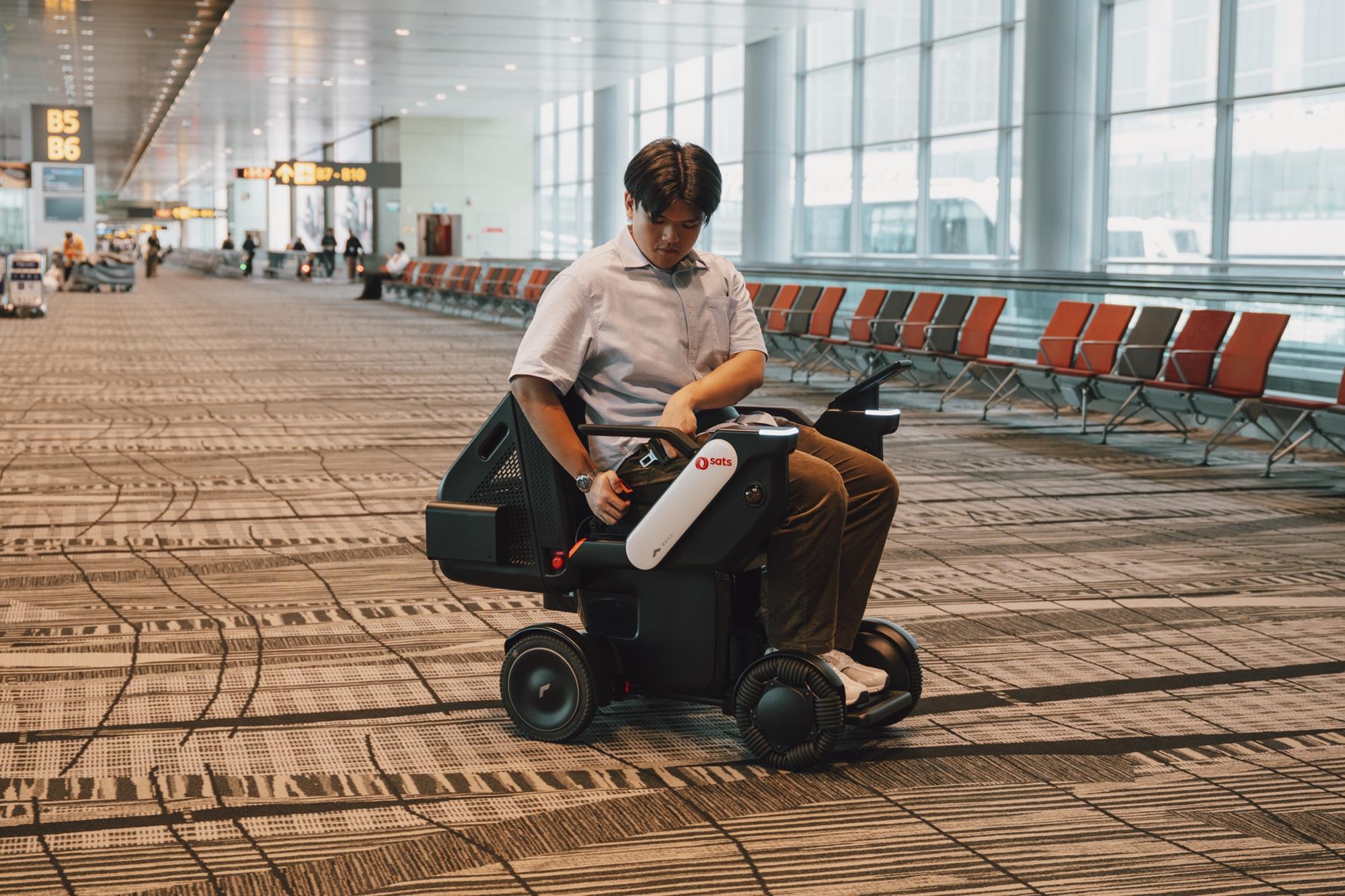
Autonomous wheelchairs at Changi Airport are more than a travel convenience – they are a signal of how mobility support is evolving for people with reduced mobility, including older adults and family members who may rely on senior living services. For adult children comparing assisted living, memory care, independent living, skilled nursing, or respite care, this kind of innovation is a reminder that dignity, safety, and independence should shape every care decision.
Mobility challenges often affect daily routines long before a major health event occurs. A senior may struggle with airport terminals, crowded hallways, or long walks inside a retirement community. When a system can safely move someone through a complex public space, it raises an important question for families: how well does a care setting support activities of daily living (ADLs), transportation, and overall quality of life?
That question matters whether your loved one is aging in place or considering a move to a pet-friendly senior living community with structured services and social opportunities.
Practical insights families can apply
- Mobility support should be personalized. The best senior care options match a person’s physical needs, pace, and comfort level.
- Safety and supervision are essential. Reduced mobility can increase fall risk, making environment design and staff responsiveness critical.
- Independence still matters. Good care settings support residents without taking away choice, privacy, or dignity.
- Transportation and navigation matter more than many families expect. Accessible layouts and escort services can reduce stress for residents and caregivers.
- Future-ready senior living includes technology. From mobility tools to emergency response systems, innovation can improve everyday care.
What autonomous wheelchairs reveal about modern accessibility
Autonomous wheelchairs are designed to help passengers with reduced mobility move through airport spaces with less physical strain. In practice, this type of assistance reflects several important principles that also apply to senior living and long-term care: accessibility, reliability, supervision, and user comfort.
For families, the lesson is clear. A care community should not only be clean and attractive. It should also be easy to navigate, thoughtfully designed, and responsive to changing mobility needs. That includes wide hallways, accessible bathrooms, elevator access, handrails, clear signage, and staff trained to assist with transfers and ambulation when needed.
These details can make the difference between a frustrating daily experience and one that feels manageable and dignified. In assisted living, even small barriers like heavy doors or long walks to dining areas can become major obstacles. In memory care, simplified layouts and secure environments are especially important because confusion and wandering can increase safety risks.
How this applies to assisted living and independent living
Many families begin their search with independent living because their loved one wants an active lifestyle with fewer household responsibilities. That can be a great fit when a senior is still mobile and values social connection, maintenance-free living, and community amenities. However, when walking distances become harder to manage, the right community should still provide practical support.
Assisted living is often the next step when a person needs help with bathing, dressing, medication reminders, meal support, or other activities of daily living (ADLs). If mobility is declining, ask how staff assist residents from room to dining room, to activities, and to appointments. Ask whether wheelchairs, walkers, or transport chairs are available and how often residents receive support getting where they need to go.
Just as an airport uses systems to reduce barriers for travelers, a strong assisted living community reduces friction in daily life. That could include scheduled escorts, accessible bathing rooms, in-house transportation, or emergency call systems placed where residents can reach them quickly.
Why memory care requires even more thoughtful mobility planning
Memory care settings serve people living with Alzheimer’s disease or other forms of dementia. In these communities, mobility support must be balanced with security and clear routines. A resident may walk independently one day and need close supervision the next.
That is why families should ask how a memory care community handles fall prevention, wandering risk, and transfer assistance. Staff should understand how cognitive changes affect physical movement. For example, a resident with dementia might forget to use a walker, misjudge a step, or become agitated in an unfamiliar hallway.
Innovations like autonomous wheelchairs point to a broader care lesson: when systems are designed to guide people safely through complex spaces, stress is reduced. In memory care, this same idea shows up in simple, structured layouts, predictable schedules, and patient communication.
Skilled nursing and respite care when medical support is needed
If a senior has a recent injury, surgery recovery, or chronic medical condition, skilled nursing may be the right level of care. Skilled nursing communities provide 24-hour clinical oversight and often support residents with rehabilitation, mobility therapy, wound care, and complex medication management.
Families looking at skilled nursing should ask how the facility supports safe movement during recovery. Are gait belts used appropriately? Are physical therapy and occupational therapy available? Do staff coordinate with physicians and therapists to reduce fall risk and improve function?
Respite care can also be a valuable option for families who need temporary support after a hospital stay or during a caregiver break. This short-term stay can help seniors test a community’s mobility support, meal service, and personal assistance before making a long-term decision.
Questions to ask during a tour
- How do you support residents who use walkers, wheelchairs, or mobility scooters?
- What help is available for transfers, bathing, and dressing?
- How does staff respond if a resident has a fall or suddenly needs more assistance?
- Are common areas, bathrooms, and outdoor paths fully accessible?
- What transportation options are available for appointments and outings?
Choosing a retirement community with real accessibility
A retirement community can offer an appealing mix of amenities, social events, and lifestyle options, but accessibility should always be part of the decision. A polished brochure does not always reveal how easy it is for a resident to get from place to place.
Look closely at the practical details. Are dining areas close to apartments? Are elevators reliable and conveniently located? Are hallways wide enough for wheelchairs? Is there support for residents who need help to participate in exercise classes, religious services, or outings?
If your loved one has pets, pet-friendly senior living may be especially meaningful. Pets can provide companionship and routine, but families should confirm whether the community supports pet care needs, outdoor walking spaces, and safe movement for residents who may have limited stamina. The best pet-friendly senior living communities consider both emotional well-being and physical accessibility.
Accessibility is not just about ramps and railings. It is about whether a senior can move through daily life safely, comfortably, and with as much independence as possible.
How family decision-makers can evaluate mobility support
When comparing senior living options, focus on how the community handles everyday movement, not just how it looks during a tour. A polished front lobby means little if a resident cannot comfortably reach meals, activities, or care staff when needed.
Consider these practical standards:
- Staff awareness: Do team members notice when someone appears unsteady or confused?
- Environment: Are floors uncluttered, surfaces non-slip, and lighting adequate?
- Response time: How quickly can residents get assistance when they need it?
- Care continuity: Can support increase as needs change without forcing an immediate move?
- Resident dignity: Is help provided respectfully, with privacy and encouragement?
These questions help families compare communities beyond marketing language. They also reflect the same principle behind autonomous wheelchair technology – make movement easier, safer, and more human-centered.
Bringing it all together for seniors and caregivers
Travel accessibility innovations offer useful lessons for elder care. Whether your loved one is in independent living, assisted living, memory care, skilled nursing, or using respite care, mobility support should be part of the conversation from the start. The right community will not only meet basic physical needs but also protect confidence, social engagement, and daily comfort.
As you evaluate options, look for a retirement community that treats mobility as a core part of care, not an afterthought. Ask how ADLs are supported, how transportation is handled, and how staff adapt when health needs change. For many families, that level of attention is what turns a good senior living option into the right one.
In the end, the goal is simple: help older adults move through life with safety, dignity, and as much independence as possible.

Written by
Rachel Kim
Senior Research Lead at NearbySeniorLiving.com. Rachel brings over a decade of experience in senior care research, helping families navigate the complex landscape of care options with evidence-based guidance. Her work focuses on translating clinical research into practical advice for family caregivers.