
What Families Can Learn From a 100-Year-Old Care Home Resident About Choosing the Right Senior Living Community
What a Centenarian’s Story Reveals About Senior Living Choices
When families start exploring senior living, it often begins with a simple question – what kind of support will help my loved one stay safe, comfortable, and engaged? Stories about very old care home residents can be especially meaningful because they highlight what matters most over the long term: dignity, connection, routine, and access to the right level of care. A 100-year-old resident thriving in a care home is a reminder that the best setting is not just about age or medical needs. It is about matching daily support, personal preferences, and quality of life. Whether you are comparing assisted living, memory care, skilled nursing, independent living, respite care, or a retirement community, the goal is the same – finding a place where your loved one can live with confidence and support.
What Families Should Notice First
- Daily routines matter: A good senior living setting supports activities of daily living (ADLs) while preserving as much independence as possible.
- Care should match need: The right fit may be assisted living, memory care, skilled nursing, or independent living depending on health and cognitive support requirements.
- Social life affects well-being: Meaningful activities, conversation, and community engagement can improve mood and quality of life.
- Environment matters: Clean spaces, attentive staff, and pet-friendly senior living options can make a community feel more like home.
- Flexibility helps families: Short-term respite care can be a valuable bridge while deciding on a long-term solution.
Why Longevity Stories Matter in Care Decisions
A resident living to 100 in a care home is not just a headline – it is a real-world example of how supportive environments can help older adults continue living with purpose. For family decision-makers, this reinforces an important idea: good care is not only about medical oversight. It also involves emotional security, consistent meals, help with mobility, medication management, and opportunities to stay mentally and socially active.
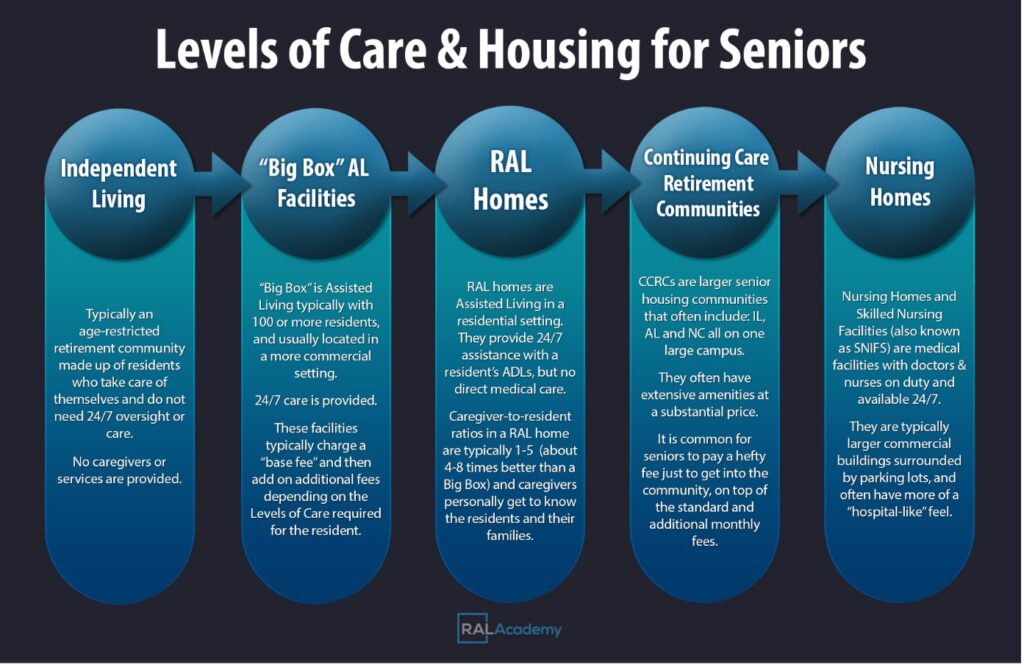
In many cases, families begin with independent living and later transition to assisted living as needs change. Others may move directly into a retirement community or require higher support in skilled nursing. If memory loss is present, memory care may provide specialized supervision and structured routines that reduce confusion and support safety.
Choosing senior care is not about finding the most advanced option – it is about finding the most appropriate one for today and flexible enough for tomorrow.
How to Evaluate the Right Level of Care
Independent Living
Independent living is often best for older adults who can manage most daily tasks but want convenience, social opportunities, and fewer household responsibilities. These communities may offer dining, housekeeping, transportation, and wellness programs while preserving autonomy.
Assisted Living
Assisted living is designed for seniors who need support with ADLs such as bathing, dressing, medication reminders, or mobility. The best communities balance safety and independence, allowing residents to keep control over their routines while receiving help where needed.
Memory Care
Memory care offers specialized support for individuals living with Alzheimer’s disease or other forms of dementia. These communities typically include secured environments, trained staff, and structured daily activities that promote familiarity and reduce stress.
Skilled Nursing
Skilled nursing is appropriate when a loved one needs 24-hour clinical care, rehabilitation, or close medical monitoring. It is often the right choice after hospitalization, during recovery, or when complex health conditions require a higher level of oversight.
Respite Care
Respite care provides temporary stays for seniors and can also give family caregivers a much-needed break. This option is useful for trial periods, post-surgery recovery, or when caregivers need time away without compromising loved one safety.
Questions That Help Families Compare Communities
When touring communities or speaking with a senior care advisor, ask questions that focus on everyday life, not just amenities. The answers can reveal whether a community is truly prepared to support long-term well-being.
- How does staff assess and update care plans?
- What support is available for activities of daily living (ADLs)?
- How are changes in health or cognition communicated to families?
- What are the dining options and how are dietary needs handled?
- What kinds of social, physical, and cognitive activities are offered each week?
- Is the community pet-friendly senior living, and what are the policies?
- How are emergencies handled, and what is the staff-to-resident ratio?
- What levels of care are available on-site if needs increase over time?
Signs of a High-Quality Senior Living Community
High-quality senior living communities make it easy for residents to feel safe, seen, and respected. Families should look for staff who know residents by name, respond promptly to concerns, and communicate clearly with loved ones. Clean common areas, accessible bathrooms, visible activity calendars, and personalized support plans are also positive signs.
Equally important is how the community feels during a visit. Do residents appear engaged? Are staff members patient and attentive? Does the environment feel calm and organized? These details often say more than brochures or online descriptions.
Watch for Person-Centered Care
Person-centered care means the community adapts to the individual, not the other way around. That may include honoring preferred waking hours, favorite foods, cultural traditions, spiritual practices, and meaningful hobbies. For many seniors, these small details make a major difference in comfort and happiness.
The Role of Activities and Connection
Longevity is supported not only by medical care, but also by social connection and purpose. In assisted living and retirement community settings, daily activities can help residents maintain mobility, reduce isolation, and support cognitive health. Exercise classes, music, art, gardening, games, and group outings all contribute to a richer daily life.
For residents in memory care, structured activities are especially important because they create predictable routines. Even simple experiences like folding towels, listening to familiar music, or helping set the table can offer a sense of accomplishment and calm.
How to Make a Confident Decision as a Family
Families often feel pressure to choose quickly, especially after a fall, hospitalization, or sudden decline in health. Still, it helps to slow down enough to compare options carefully. Start by identifying the current level of support needed, then think about how those needs may change in the coming months. A resident who only needs companionship and light help today may later require assisted living or skilled nursing.
Use tours, care assessments, and conversations with staff to compare communities side by side. If possible, include the older adult in the process. Their comfort and preferences matter, and involving them can reduce resistance during the transition.
The best senior living decision is one that balances safety, independence, and daily quality of life – without overlooking the future.
Moving Forward With Confidence
A story about a 100-year-old care home resident is ultimately a story about possibility. With the right environment, older adults can continue to live with dignity, routine, and connection well into advanced age. For families, that means choosing a senior living solution based on real needs, not assumptions or urgency alone.
Whether your search leads to independent living, assisted living, memory care, skilled nursing, or respite care, focus on how the community supports both health and happiness. Look for a place that can adapt as needs change, welcomes family involvement, and creates a genuine sense of home. That is what turns care into quality of life.

Written by
Rachel Kim
Senior Research Lead at NearbySeniorLiving.com. Rachel brings over a decade of experience in senior care research, helping families navigate the complex landscape of care options with evidence-based guidance. Her work focuses on translating clinical research into practical advice for family caregivers.