
How Senior Living Staffing Changes Affect Assisted Living, Memory Care, and Your Family’s Choice
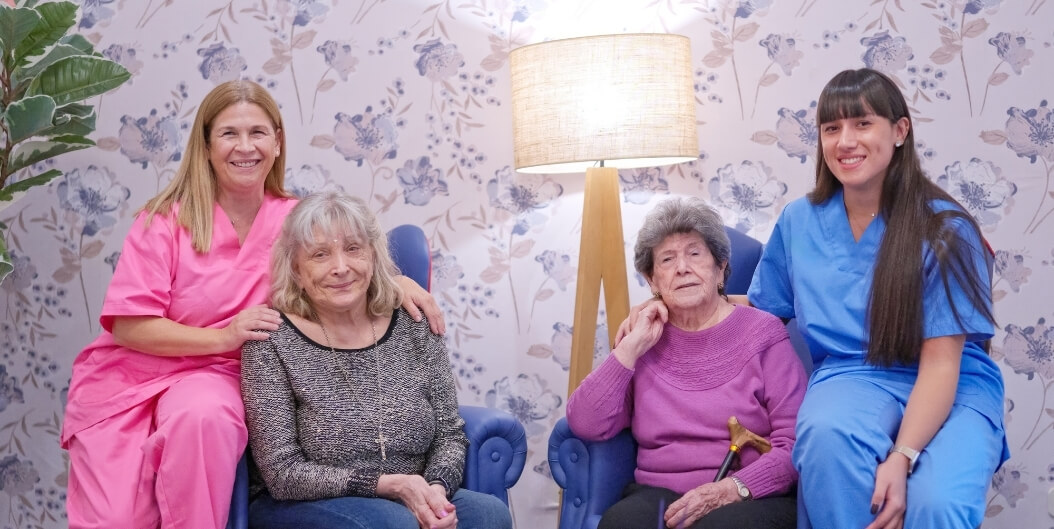
Families comparing senior living options are looking beyond floor plans, dining menus, and amenities. Staffing has become one of the clearest signals of quality, safety, and daily satisfaction. Recent industry reporting on Aspenwood, Kendal Corp, and Viva Senior Living reflects a broader shift: providers are rethinking how they recruit, train, schedule, and retain care teams for the next chapter of aging services. For family decision-makers, this matters because staffing touches nearly every part of life in a retirement community, from help with activities of daily living (ADLs) to medication reminders, memory care engagement, dining support, emergency response, and social connection. A beautiful community can only deliver consistent care when the right people are present, prepared, and supported.
What Families Should Notice First
- Staffing strategy is a quality indicator: Ask how the community hires, trains, and keeps caregivers, nurses, dining staff, activity teams, and leaders.
- Care needs should match staff capabilities: Assisted living, memory care, skilled nursing, independent living, and respite care each require different staffing models.
- Retention affects relationships: Stable teams often mean better familiarity with residents preferences, routines, and health changes.
- Culture matters: Communities that support employees well are more likely to deliver warm, consistent resident care.
- Families should verify: Review licensing, inspection history, care plans, staffing communication, and emergency procedures before choosing.
Why Staffing Is Now Central to Senior Living Decisions
Senior living providers across the country are adapting to workforce pressures, higher resident acuity, and changing expectations from both older adults and employees. Many residents entering assisted living today need more hands-on help than residents did years ago. Others want independent living with hospitality-style services, wellness programs, technology support, and flexible dining. Families may also be seeking memory care for dementia-related needs or skilled nursing after a hospitalization.
That range of needs means staffing cannot be one-size-fits-all. A strong provider must align employee skills with resident profiles. For example, a resident who only needs transportation and social activities has different support needs than someone who requires cueing for meals, bathing assistance, mobility transfers, or dementia-informed redirection.
Family tip: During a tour, pay attention to how staff interact with residents. Do they use names? Do they seem rushed? Are residents clean, engaged, and attended to? These observations can be as meaningful as the brochure.
How Staffing Impacts Assisted Living and ADL Support
In assisted living, caregivers commonly help with activities of daily living (ADLs), such as bathing, dressing, grooming, toileting, mobility, and eating. They may also support medication reminders, wellness checks, laundry, housekeeping, and escorting residents to meals or activities.
Families should ask how care plans are created and updated. If a parent begins needing more help, will the community reassess quickly? Is there an added cost for increased ADL support? Who communicates changes to the family and primary care provider?
Questions to Ask About Assisted Living Staffing
- What is the caregiver staffing approach during mornings, evenings, nights, and weekends?
- How are new staff trained in fall prevention, infection control, dementia awareness, and emergency response?
- How often are care plans reviewed?
- Who supervises caregivers, and when is a nurse available?
- How does the community handle call bells or pendant response times?
Memory Care Requires Specialized Training and Consistency
Memory care staffing should go beyond general caregiving. Residents living with Alzheimer’s disease or other forms of dementia may need support with communication, behavior changes, wandering risk, nutrition, personal care, and meaningful engagement. Consistency is especially important because familiar faces and routines can reduce anxiety.
When touring a memory care neighborhood, ask about dementia-specific training, secured entry and exit systems, activity programming, and how staff respond to agitation or sundowning. A well-run memory care program should emphasize dignity, validation, safety, and purposeful daily structure.
Independent Living Still Depends on Strong Teams
Independent living residents may not need daily personal care, but staffing still shapes quality of life. Dining teams, maintenance staff, drivers, wellness coordinators, concierge staff, and activity directors all influence whether the community feels vibrant and reliable.
For active older adults, a retirement community may offer fitness classes, clubs, outings, lifelong learning, volunteer opportunities, and social events. Ask who organizes activities, how resident feedback is gathered, and whether staffing supports evening and weekend programming.
Skilled Nursing and Respite Care Need Clear Clinical Oversight
Skilled nursing is typically appropriate for residents who need a higher level of medical care, rehabilitation, wound care, medication management, or post-hospital recovery. Families should verify licensing, nurse availability, therapy services, physician coordination, and inspection reports.
Respite care can be helpful when a family caregiver needs temporary relief or when an older adult wants to try a community before moving permanently. Even for a short stay, ask how staff learn the guest’s routines, medications, mobility needs, diet, and emergency contacts.
Employee Retention and Resident Well-Being Are Connected
One important lesson from industry staffing discussions is that recruitment alone is not enough. Communities also need to retain good employees. High turnover can disrupt care, increase communication gaps, and make it harder for staff to notice subtle changes in a resident’s mood, appetite, cognition, or mobility.
Families can ask leadership about staff tenure, ongoing education, mentorship, career growth, and recognition programs. While every community experiences turnover, transparent leaders should be able to explain how they maintain continuity of care.
Do Not Overlook Lifestyle Fit, Including Pets
Staffing also affects lifestyle services. If your parent wants pet-friendly senior living, ask how the community supports pet routines, outdoor access, housekeeping, and backup plans if a resident becomes ill. A pet-friendly policy is valuable, but day-to-day execution depends on staff coordination.
Similarly, dining preferences, transportation, religious services, cultural programming, and family communication all require adequate staffing. The best fit is not always the newest building. It is the community that can consistently meet your loved one’s care needs and personal priorities.
How to Compare Communities With Confidence
Use tours, follow-up calls, state records, and conversations with residents or families to build a complete picture. Ask for a sample care plan, activity calendar, dining menu, fee schedule, and emergency procedures. If possible, tour more than once at different times of day.
Because senior care decisions affect health, safety, finances, and family peace of mind, rely on verified information. Confirm licensing with your state agency, review inspection findings, and consult your loved one’s physician, care manager, or elder law advisor when appropriate.
A Practical Next Step for Families
As senior living providers redefine staffing for the future, families have an opportunity to ask better questions. Look for communities that can clearly explain who provides care, how staff are trained, how needs are reassessed, and how leadership supports employees. Whether you are considering assisted living, memory care, independent living, skilled nursing, or respite care, the right staffing culture can make the difference between a place that simply houses older adults and a community where they are known, supported, and respected.

Written by
Rachel Kim
Senior Research Lead at NearbySeniorLiving.com. Rachel brings over a decade of experience in senior care research, helping families navigate the complex landscape of care options with evidence-based guidance. Her work focuses on translating clinical research into practical advice for family caregivers.