
How Senior Living Can Support Mental Health in Alzheimer’s Care
Why mental health support matters in Alzheimer’s care
Choosing the right senior living option for a loved one with Alzheimer’s is about more than safety and supervision. Mental health support is just as important as help with meals, medications, and personal care. People living with Alzheimer’s often experience anxiety, depression, fear, confusion, and loneliness, especially when daily routines become harder to manage. The right care setting can reduce stress, preserve dignity, and create meaningful moments that improve overall quality of life.
For family decision-makers, this means looking beyond floor plans and amenities. It means asking how a community supports emotional well-being, social connection, and individualized care. Whether you are exploring assisted living, memory care, independent living, skilled nursing, or respite care, mental health should be part of the conversation from the start.
Families often focus on physical safety first, but a thoughtful care plan should also support emotional stability, familiar routines, and a sense of purpose.
What families should pay attention to first
- Look for care environments that reduce confusion and overstimulation.
- Ask how staff support emotional changes, not just medical needs.
- Choose communities with structured routines and meaningful daily engagement.
- Review how the setting handles social isolation, depression, and anxiety.
- Confirm that care plans can adapt as Alzheimer’s progresses.
How Alzheimer’s affects emotional well-being
Alzheimer’s is a progressive neurological condition that changes memory, reasoning, and behavior over time. These changes can be frustrating and frightening for the person living with the disease. Someone may feel aware that something is wrong but not understand why. That can lead to embarrassment, anger, withdrawal, or sadness. In some cases, people may stop joining activities they once enjoyed, especially if they feel overwhelmed or misunderstood.
Mental health challenges can also affect appetite, sleep, and willingness to participate in personal care. Because of this, caregivers should treat emotional changes as a core part of the care plan. The best communities train staff to notice early signs of distress and respond with patience, reassurance, and consistency.
The role of senior living in supporting mental health
A well-designed senior living community can provide the structure and support that helps reduce stress for people with Alzheimer’s. Familiar routines, calm surroundings, and compassionate staff can make daily life feel more predictable. This matters because predictability often lowers anxiety and creates a greater sense of security.
In assisted living, residents may receive help with bathing, dressing, grooming, and meals while still enjoying a level of independence. When staff understand how Alzheimer’s affects communication and mood, they can offer respectful support that preserves confidence.
Memory care communities are specifically designed for individuals with dementia-related conditions. These settings often include secured layouts, visual cues, smaller group activities, and staff trained in dementia communication. That combination can be especially helpful for residents who are prone to wandering, agitation, or disorientation.
Independent living may be a fit in the earlier stages if the person can still manage daily tasks with minimal help. Even then, families should watch for changes in mental health, especially if isolation or confusion begins to increase.
Important mental health features to look for
Structured daily routines
People with Alzheimer’s often do better when their day follows a consistent rhythm. Predictable wake-up times, meals, activities, and bedtime routines can reduce stress and make the environment feel safer.
Social connection
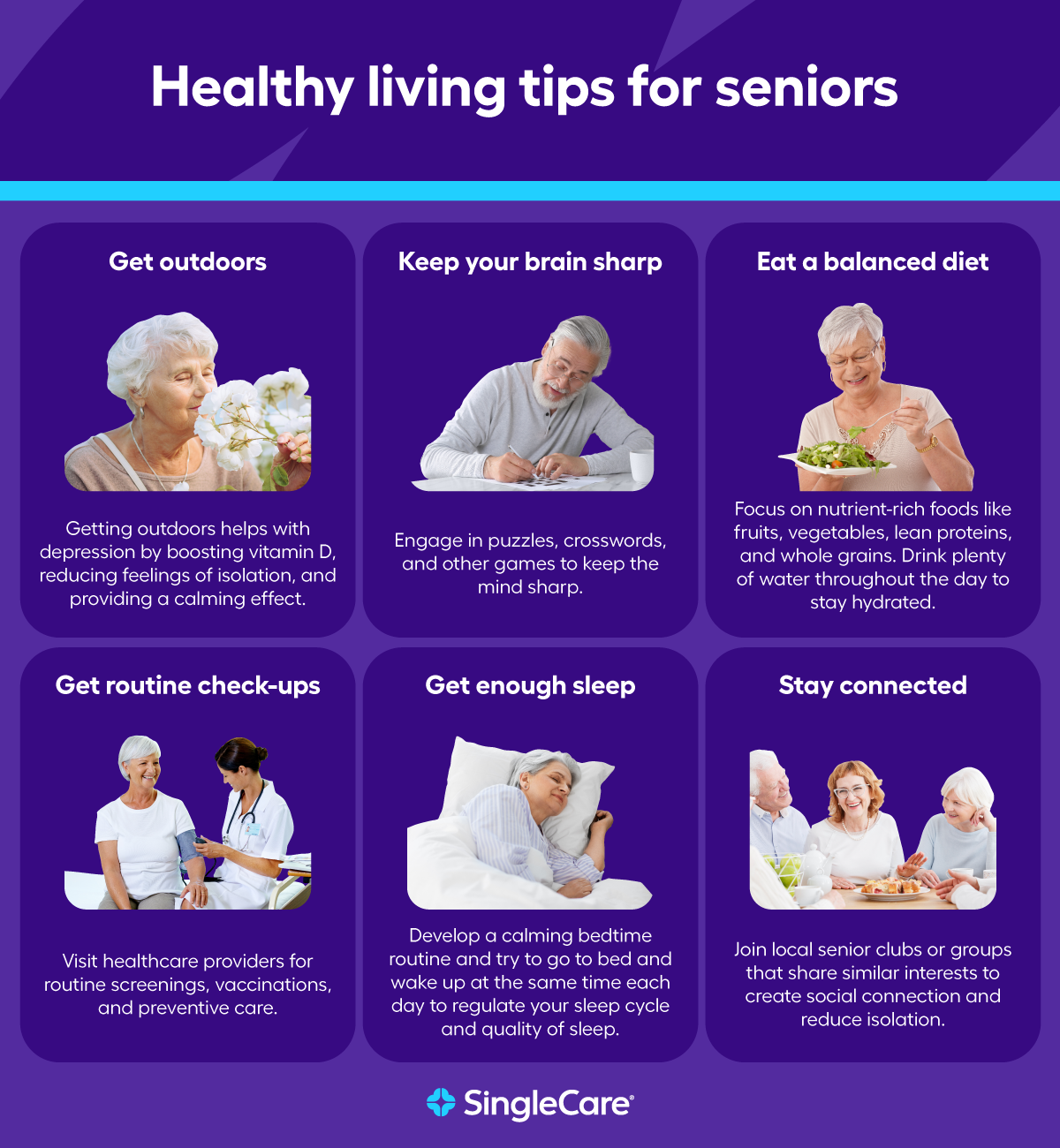
Loneliness can worsen depression and anxiety. Look for communities that encourage small-group interactions, shared meals, and accessible events. The goal is not constant stimulation. It is meaningful engagement that feels comfortable and enjoyable.
Staff trained in dementia communication
Words matter. Staff should know how to use calm tones, simple directions, and validation techniques when a resident is confused or upset. This kind of communication can prevent escalation and help the person feel respected.
Personalized activity programming
Activities should match the person’s interests, abilities, and stage of disease. Music, art, gardening, pet therapy, folding towels, and light exercise can all support mood and provide a sense of purpose. A strong activity program should adapt to changes in energy and cognition.
Family involvement
Families should be encouraged to stay involved in care planning and visits when possible. Familiar voices and faces can ease anxiety and help the resident feel connected to their life story.
Why activities of daily living matter for emotional health
Support with activities of daily living (ADLs) is one of the most important parts of Alzheimer’s care. ADLs include bathing, eating, toileting, dressing, transferring, and continence support. When these tasks become harder, people may feel embarrassed, frustrated, or powerless.
A compassionate care team can break tasks into smaller steps, offer help without taking over too quickly, and preserve as much independence as possible. That balance can support self-esteem and reduce the emotional strain that comes with repeated failures or reminders of lost abilities.
When memory care may be the better fit
Many families start with assisted living, but as Alzheimer’s progresses, memory care may become the safer and more supportive option. Memory care is often the right choice when a loved one needs frequent redirection, has become more prone to wandering, or experiences significant confusion in larger, less structured settings.
Memory care can also offer better emotional support because the environment is built around dementia care from the ground up. Staff typically have more specialized training, and the community design often lowers stress by limiting unnecessary noise, clutter, and decision-making demands.
When skilled nursing becomes necessary
Some families eventually need skilled nursing when Alzheimer’s is combined with complex medical needs or when a person requires a higher level of clinical oversight. Skilled nursing communities provide 24-hour nursing support and can help manage medications, wounds, mobility concerns, and other health issues.
Even in a medically focused setting, emotional health should remain a priority. A resident with Alzheimer’s may still need familiar routines, calming interactions, and supportive engagement to avoid withdrawal or agitation.
Temporary support through respite care
Respite care can be a valuable option for families who need short-term relief or want to test whether a community is a good fit. It gives caregivers a chance to rest while their loved one experiences the care setting in a real-world way.
For someone with Alzheimer’s, a short stay can reveal whether the staff communicates well, whether the environment feels calming, and whether the emotional needs of the resident are being met. This can help families make more confident long-term decisions.
What about pet-friendly senior living?
For many older adults, pets provide comfort, familiarity, and emotional grounding. Pet-friendly senior living can be especially meaningful for someone with Alzheimer’s who has a strong bond with an animal. A familiar pet may help ease anxiety and create a soothing routine.
That said, families should ask practical questions. Can the resident safely care for the pet? Will staff assist if needed? Are there size or breed restrictions? In some cases, pet visits or therapy animals may offer similar emotional benefits without the demands of daily care.
Questions to ask while touring communities
- How do you support residents who are anxious, withdrawn, or upset?
- What dementia-specific training does your staff receive?
- How do you personalize activities for people at different stages of Alzheimer’s?
- How do you encourage family involvement in care planning?
- What happens if a resident’s needs increase over time?
- Do you offer pet-friendly senior living options or animal-based activities?
- How do you support ADLs while maintaining dignity and independence?
Finding the right balance of safety and emotional support
The best retirement community for a person with Alzheimer’s is not always the one with the most features. It is the one that balances clinical care, emotional well-being, and day-to-day comfort. A strong environment should make the resident feel seen, supported, and respected.
Families should look for signs of person-centered care, such as staff who know residents by name, flexible routines, thoughtful activity choices, and a calm atmosphere. If a community feels organized but cold, or safe but isolating, it may not be the right fit.
In the end, Alzheimer’s care should support the whole person. That includes memory, mobility, mood, relationships, and dignity. Whether the best option is assisted living, memory care, skilled nursing, independent living, or respite care, the right setting can make a meaningful difference in daily emotional well-being.
The most effective care communities do more than meet physical needs. They create conditions where people living with Alzheimer’s can feel secure, connected, and valued.

Written by
Rachel Kim
Senior Research Lead at NearbySeniorLiving.com. Rachel brings over a decade of experience in senior care research, helping families navigate the complex landscape of care options with evidence-based guidance. Her work focuses on translating clinical research into practical advice for family caregivers.