
Memory Care and Antipsychotic Medication: What Families Should Ask Before Choosing Senior Living
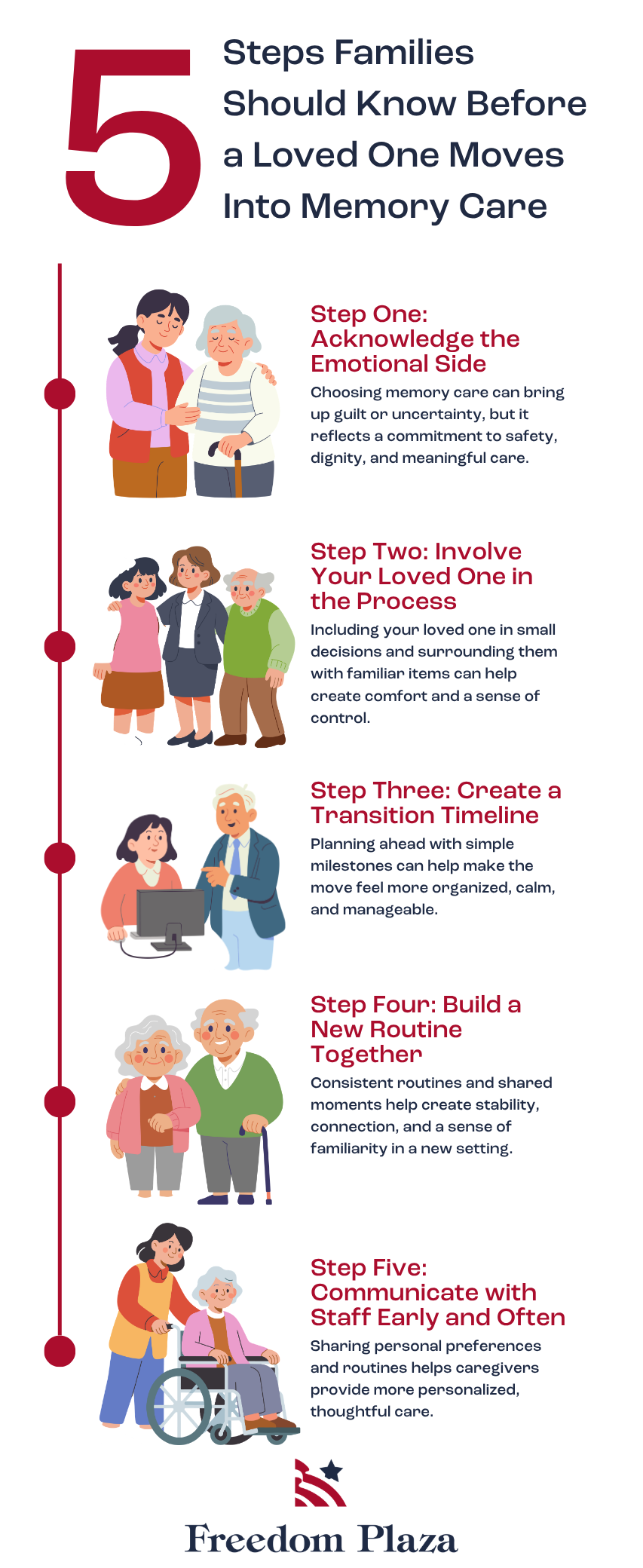
Choosing memory care for a parent, spouse, or loved one is one of the most sensitive decisions a family can make. Beyond location, cost, and amenities, families need to understand how a community manages dementia-related behaviors, including when antipsychotic medications are used. These drugs may be prescribed in limited situations, but they also carry serious risks for older adults with dementia. A high-quality senior living provider should be able to explain its approach to non-drug interventions, staff training, family communication, and medical oversight. Whether you are comparing assisted living, skilled nursing, or a dedicated memory care neighborhood, asking the right questions can help protect your loved one’s dignity, safety, and quality of life.
Essential Points for Families
- Antipsychotic medications are not a routine solution for dementia behaviors. Families should ask when and why they are used.
- Non-medication strategies should come first whenever possible. Personalized routines, environmental changes, and trained caregiving are key.
- Medication decisions should involve physicians, nurses, families, and care staff. Transparent communication matters.
- Staffing and training directly affect safety. Ask how caregivers respond to agitation, wandering, sleep disruption, or distress.
- The right setting depends on care needs. Memory care, assisted living, skilled nursing, respite care, and independent living each provide different levels of support.
Why Antipsychotic Use in Dementia Care Requires Careful Oversight
Antipsychotic medications may sometimes be prescribed for people living with dementia who experience severe agitation, aggression, hallucinations, or distress that creates a risk of harm. However, these medications are not approved as a broad first-line treatment for dementia behaviors, and they can increase the risk of falls, sedation, stroke, hospitalization, and death in older adults with dementia.
This does not mean they are never appropriate. In some situations, a physician may determine that short-term, closely monitored use is necessary. The key issue is whether the senior living community has a thoughtful process for evaluating behaviors, identifying triggers, using non-drug strategies first, documenting outcomes, and involving the family in decisions.
Families should look for a memory care team that asks, \”What is this behavior communicating?\” before asking, \”What medication can stop it?\”
Questions to Ask a Memory Care Community About Medication Practices
Before choosing a retirement community or memory care residence, families should ask direct questions about medication policies. A trustworthy provider should answer clearly and without defensiveness.
How often are antipsychotic medications used?
Ask whether the community tracks antipsychotic prescribing rates and whether those rates are reviewed by clinical leadership. In a skilled nursing setting, medication use may be monitored through formal quality measures. In assisted living or memory care, oversight varies by state regulations and provider practices, making family questions even more important.
What happens before medication is considered?
Quality dementia care begins with assessment. Staff should look for pain, infection, dehydration, medication side effects, hunger, overstimulation, loneliness, sleep problems, or changes in routine. Many dementia-related behaviors are responses to unmet needs, not random symptoms.
Who approves and monitors the medication?
Ask whether a physician, geriatric psychiatrist, nurse practitioner, pharmacist, or registered nurse reviews the medication plan. Families should know how often the medication is reassessed, what side effects staff monitor, and whether there is a plan to reduce or discontinue the drug when appropriate.
How are families informed?
Family decision-makers should be notified before major medication changes unless there is an emergency. Ask how consent works, who calls the family, and how changes are documented. Reliable communication is especially important when loved ones cannot clearly report side effects.
Non-Drug Approaches That Strong Memory Care Programs Use
The best memory care programs are built around person-centered support. This means caregivers learn the resident’s history, preferences, fears, habits, and strengths. For example, a former teacher may respond well to helping arrange books, while a lifelong gardener may feel calmer when walking outdoors or tending plants.
Effective non-drug strategies may include:
- Structured daily routines that reduce confusion and anxiety.
- Calming environments with lower noise, clear lighting, and easy-to-navigate layouts.
- Meaningful activities adapted to cognitive ability and attention span.
- Validation techniques that acknowledge feelings rather than argue about facts.
- Pain and health checks when behavior changes suddenly.
- Sleep support through daytime activity, light exposure, and reduced nighttime disruptions.
- Family input about past routines, triggers, and comforting approaches.
These strategies require adequate staffing and training. When touring a senior living community, observe whether residents appear engaged, whether staff speak calmly, and whether caregivers know residents by name.
How Care Levels Differ: Assisted Living, Memory Care, Skilled Nursing, and Independent Living
Families often compare several types of senior living before making a decision. Understanding the differences can help you choose a setting that matches your loved one’s current and future needs.
Independent living
Independent living is typically best for older adults who are active and need little daily assistance. It may offer meals, housekeeping, transportation, and social programs, but it generally does not provide hands-on dementia care or help with activities of daily living (ADLs) such as bathing, dressing, toileting, and eating.
Assisted living
Assisted living supports older adults who need help with ADLs, medication reminders, meals, and daily routines. Some communities have memory care neighborhoods within assisted living, but families should confirm staffing, security, dementia training, and medication oversight.
Memory care
Memory care is designed for people with Alzheimer’s disease and other forms of dementia. It often includes secured spaces, specialized programming, cueing, redirection, and staff trained in dementia-related behaviors. Because residents may be more vulnerable to distress or medication side effects, families should closely examine clinical policies.
Skilled nursing
Skilled nursing provides a higher medical level of care, often for residents with complex health needs, rehabilitation requirements, or significant mobility challenges. If your loved one has advanced dementia, frequent falls, feeding difficulties, or multiple chronic conditions, skilled nursing may be more appropriate than standard assisted living.
Respite care
Respite care offers short-term stays, allowing family caregivers to rest, travel, or recover from illness. It can also be a helpful trial period to evaluate a community’s memory care approach before a permanent move.
Staff Training: A Critical Safety Indicator
Medication policies matter, but day-to-day caregiver skill is just as important. Ask how staff are trained to respond to common dementia-related situations, including wandering, exit-seeking, refusal of care, repetitive questions, sundowning, and aggression. Training should be ongoing, not limited to a one-time orientation.
Families can ask:
- How many caregivers are on duty during the day, evening, and overnight?
- Are staff trained in dementia communication and de-escalation?
- How are behavioral changes reported and documented?
- What is the process if a resident suddenly becomes more confused or agitated?
- How does the community prevent falls, especially if sedating medications are prescribed?
A strong answer will include assessment, prevention, documentation, family notification, and physician involvement.
Quality of Life Still Matters
Safety should never mean simply keeping someone quiet. A good memory care community supports purpose, comfort, social connection, movement, and dignity. Ask to see the activities calendar, but also watch what is happening in real time. Are residents participating? Are activities adapted for different stages of dementia? Are quiet spaces available for people who become overstimulated?
If your loved one has an animal companion, ask about pet-friendly senior living options. Some communities allow residents to bring pets if they can safely care for them, while others offer therapy animal visits. For many older adults, animals provide comfort, routine, and emotional connection.
Red Flags Families Should Not Ignore
During your search, be cautious if a community avoids questions about antipsychotic medications or says behaviors are usually handled with medication. Other warning signs include vague staffing answers, limited family communication, lack of individualized care planning, strong odors, residents appearing overly sedated, or staff who seem rushed and unfamiliar with residents.
Also be careful if the community cannot explain how it manages changes in condition. Sudden agitation may be linked to pain, urinary tract infection, constipation, medication interactions, dehydration, or emotional distress. Treating the behavior without investigating the cause can place residents at risk.
Practical Next Steps Before You Choose
- Tour more than one community and visit at different times of day.
- Bring a written list of questions about medication, staffing, activities, and family updates.
- Ask who creates and updates the care plan.
- Review contracts, fees, discharge policies, and what happens if care needs increase.
- Speak with your loved one’s physician about the appropriate level of care.
- Ask whether the community supports advance care planning and goals-of-care conversations.
Finding the right senior living environment is not only about choosing a beautiful building. It is about selecting a team that understands dementia, respects older adults, communicates honestly, and uses medication carefully. When families ask informed questions, they are better prepared to choose care that protects both safety and dignity.

Written by
Rachel Kim
Senior Research Lead at NearbySeniorLiving.com. Rachel brings over a decade of experience in senior care research, helping families navigate the complex landscape of care options with evidence-based guidance. Her work focuses on translating clinical research into practical advice for family caregivers.