
Long-Term Care Planning for Families: How to Choose Senior Living, Assisted Living, and Home-Based Support
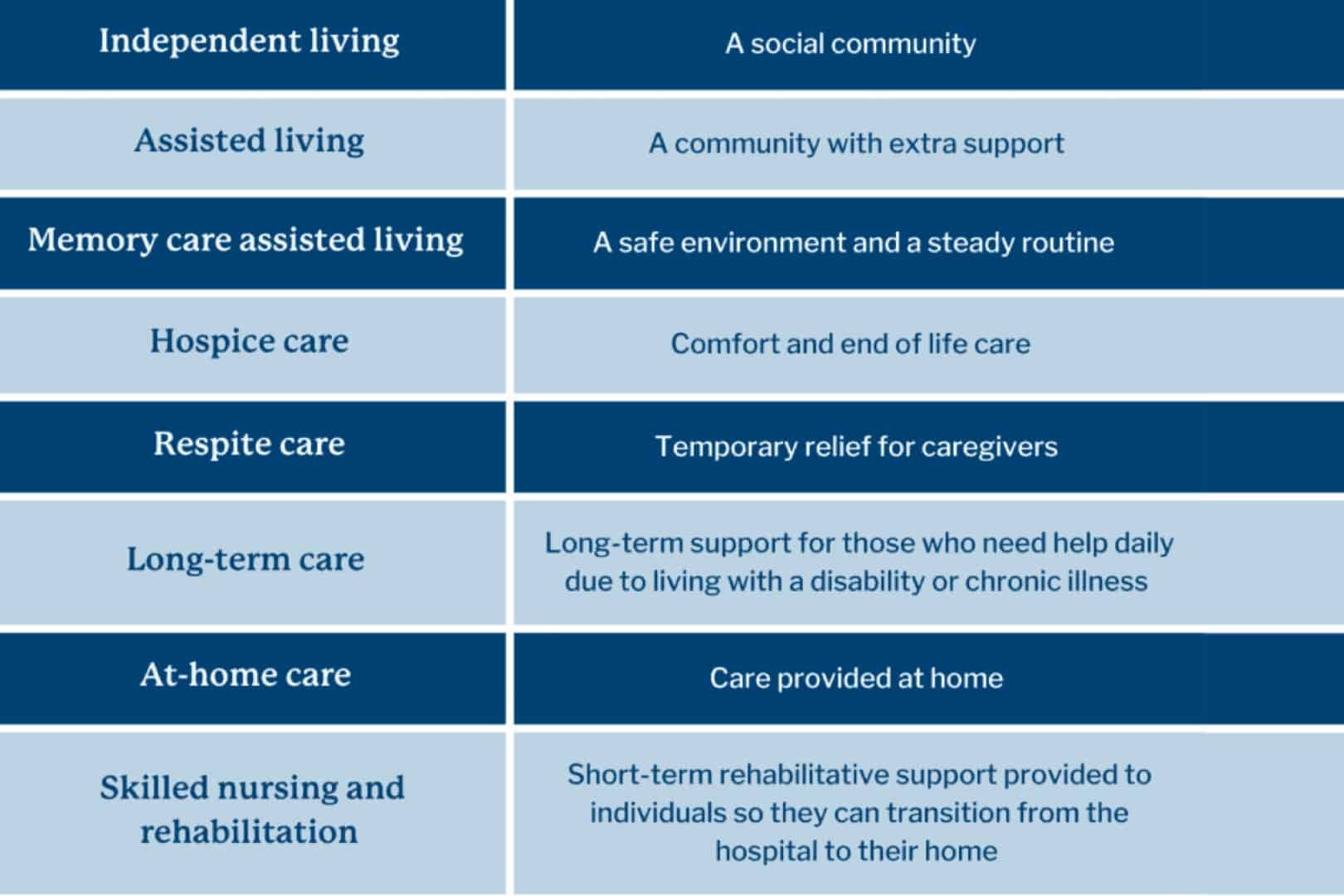
Families searching for senior living often begin with one urgent question: what level of care will keep an older adult safe, supported, and as independent as possible? Long-term care is not a single service. It can include help at home, assisted living, memory care, skilled nursing, respite care, and community-based supports that change as health needs evolve. Recent national policy discussions, including calls for a stronger long-term care guarantee, highlight a reality many families already know: care needs are common, costs can be significant, and planning early matters. This guide explains the major care options, what to evaluate before choosing a retirement community or care setting, and how families can make decisions with confidence while protecting dignity, quality of life, and financial stability.
Important Points for Family Decision-Makers
- Care needs usually change over time: A loved one may begin with independent living or help at home and later need assisted living, memory care, or skilled nursing.
- Safety and daily support are central: Evaluate how well each setting helps with activities of daily living (ADLs), medication routines, mobility, nutrition, and social engagement.
- Costs vary widely: Monthly pricing, entrance fees, personal care charges, and insurance coverage should be reviewed before signing any agreement.
- Quality is measurable: Staffing levels, licensing history, care plans, family communication, and resident satisfaction are important trust signals.
- Fit matters: Culture, dining, transportation, activities, spiritual support, and pet-friendly senior living policies can affect long-term happiness.
Why Long-Term Care Planning Matters
Long-term care becomes necessary when an older adult needs ongoing help due to aging, chronic illness, disability, cognitive decline, or recovery from a medical event. Unlike short hospital stays, this support may last months or years. It may involve personal care, supervision, rehabilitation, nursing, or help managing a household.
The national conversation around long-term care emphasizes that many families are unprepared for both the emotional and financial burden. Medicare generally does not cover extended custodial care, such as routine help with bathing, dressing, toileting, or meal preparation. Medicaid may help eligible individuals, but rules vary by state and often include income and asset limits. Long-term care insurance can be useful, but benefits depend on the policy.
For families, the best long-term care decision is rarely based on price alone. It should balance safety, clinical needs, independence, dignity, location, and the older adult’s personal preferences.
Understanding the Main Senior Care Options
Independent Living
Independent living is designed for older adults who can manage most daily tasks but want a maintenance-free lifestyle. These communities often offer private apartments or cottages, dining options, housekeeping, social events, transportation, fitness programs, and safety features. Independent living may be a good fit when a senior is socially isolated at home but does not yet need daily hands-on care.
Families should ask whether the community offers access to higher levels of care if needs change. Some campuses operate as a continuing care or retirement community, allowing residents to transition to assisted living, memory care, or skilled nursing without relocating far from familiar surroundings.
Assisted Living
Assisted living supports older adults who need help with activities of daily living (ADLs), such as bathing, dressing, grooming, transferring, toileting, and eating. Services often include meals, medication assistance, housekeeping, laundry, social programming, and 24-hour staff availability. Assisted living is not the same as a nursing home. It is generally intended for people who do not require continuous medical care but do need regular personal support.
When touring assisted living communities, ask how care levels are assessed, how fees increase when needs increase, and how staff respond to falls, confusion, or nighttime assistance calls. Review the care plan process and how often it is updated.
Memory Care
Memory care is specialized support for people living with Alzheimer’s disease, dementia, or other cognitive conditions. These neighborhoods or communities usually provide secured environments, structured routines, dementia-trained staff, cueing for daily tasks, behavior support, and activities designed to promote comfort and engagement.
Families should look closely at staff training, wandering prevention, emergency procedures, communication practices, and how the community handles agitation, sleep disruption, nutrition concerns, and personal care resistance. The best memory care settings focus on dignity, familiarity, and meaningful interaction rather than simply supervision.
Skilled Nursing
Skilled nursing provides a higher medical level of care. It may be appropriate after hospitalization, surgery, stroke, serious illness, or when an older adult needs licensed nursing, rehabilitation therapy, wound care, injections, complex medication management, or significant mobility assistance. Some stays are short term for rehab, while others are long term for ongoing medical and personal care needs.
Families should review inspection reports, staffing information, therapy availability, infection control practices, physician access, and discharge planning. If Medicare coverage is involved after a qualifying hospital stay, confirm benefit rules, copays, and what happens if therapy goals are met or coverage ends.
Respite Care
Respite care offers temporary support for older adults while family caregivers rest, travel, recover from illness, or manage other responsibilities. It may be provided in assisted living, memory care, skilled nursing, adult day programs, or at home. Respite care can also serve as a trial stay before a permanent move.
For caregivers, respite is not a luxury. It can reduce burnout, improve patience, and help families sustain care at home longer. Ask communities about minimum stay requirements, medication management, personal care services, and whether respite guests can participate in meals and activities.
How to Match Care to Activities of Daily Living
A practical way to compare options is to assess activities of daily living (ADLs) and instrumental activities of daily living. ADLs include bathing, dressing, toileting, transferring, continence, and eating. Instrumental tasks include cooking, shopping, housekeeping, transportation, medication organization, and managing finances.
If a loved one needs reminders but can physically complete tasks, in-home support or assisted living may be sufficient. If they are unsafe using the stove, frequently getting lost, missing medications, or leaving doors unlocked, memory care may be more appropriate. If they require two-person transfers, wound care, or ongoing nursing oversight, skilled nursing may be necessary.
Families should document recent changes, including falls, weight loss, medication mistakes, confusion, unpaid bills, hygiene decline, and caregiver exhaustion. This information helps physicians, care managers, and senior living teams recommend the right level of care.
Financial Questions to Ask Before Choosing a Community
Cost is one of the most stressful parts of long-term care. Pricing may include base rent, care fees, medication fees, community fees, second-person fees, supply costs, and move-in expenses. Some communities bundle services, while others charge based on points or care levels.
- What is included in the monthly rate?
- How are care needs assessed and priced?
- How often can rates increase?
- Is there an entrance fee, deposit, or community fee?
- What happens if private funds run out?
- Does the community accept Medicaid, veterans benefits, or long-term care insurance?
- Are transportation, incontinence supplies, salon services, or special diets extra?
Because long-term care decisions can affect housing, savings, taxes, and eligibility for public benefits, families should consider speaking with an elder law attorney, financial planner, benefits counselor, or local Area Agency on Aging. This article is informational and should not replace professional legal, financial, or medical advice.
Quality and Safety Signals to Review
Trustworthy senior living decisions require evidence. Families should visit more than once, including during meals or shift changes when possible. Observe whether residents appear clean, engaged, and treated respectfully. Notice response times to call lights, staff tone, odors, maintenance, and how leadership answers difficult questions.
Ask about staff turnover, background checks, training, emergency preparedness, fall prevention, medication administration, infection control, and family updates. For assisted living and memory care, review state licensing records. For skilled nursing, review federal quality ratings, inspection results, and complaint histories.
Strong communities welcome questions. They explain what they can and cannot provide, communicate proactively, and involve residents and families in care planning. Be cautious if a provider minimizes concerns, pressures you to sign quickly, or avoids discussing staffing and fees.
Lifestyle, Social Connection, and Personal Preferences
Care quality is essential, but daily life also matters. A good community should support identity, relationships, routines, and joy. Review activity calendars, dining menus, outdoor spaces, religious services, fitness classes, transportation options, volunteer opportunities, and family events.
For many older adults, pets are part of emotional well-being. If pet-friendly senior living is important, ask about breed or weight limits, deposits, vaccination requirements, pet care support, walking areas, and what happens if the resident can no longer care for the pet independently.
Location is also important. A slightly more expensive community close to family may lead to more visits and better oversight. For couples with different needs, ask whether the community can support both partners, such as one in independent living and one in memory care on the same campus.
Using Public Policy Conversations in Family Planning
The source article’s discussion of a national long-term care guarantee reflects a broader concern: aging Americans and family caregivers need more reliable systems of support. While policy changes may develop over time, families making decisions today still need practical steps. Start by understanding current benefits, local resources, and care options before a crisis occurs.
Local aging agencies, nonprofit caregiver organizations, physicians, hospital discharge planners, and senior care directories can help families compare services. Keeping medical records, medication lists, legal documents, insurance information, and emergency contacts organized can make transitions safer and less stressful.
Next Steps for a Safer Care Decision
Begin with an honest assessment of your loved one’s health, safety, cognition, mobility, and caregiver support. Then compare senior living options based on current needs and likely future changes. Tour independent living, assisted living, memory care, skilled nursing, or respite care settings as appropriate, and ask detailed questions about staffing, pricing, licensing, and care planning.
The right choice should protect safety while preserving as much independence and dignity as possible. With careful planning, families can move from crisis decision-making to informed action and choose a care environment where an older adult can be supported, respected, and connected.

Written by
Rachel Kim
Senior Research Lead at NearbySeniorLiving.com. Rachel brings over a decade of experience in senior care research, helping families navigate the complex landscape of care options with evidence-based guidance. Her work focuses on translating clinical research into practical advice for family caregivers.