
Home Safety Tips for Seniors: How Families Can Create a Safer Living Environment
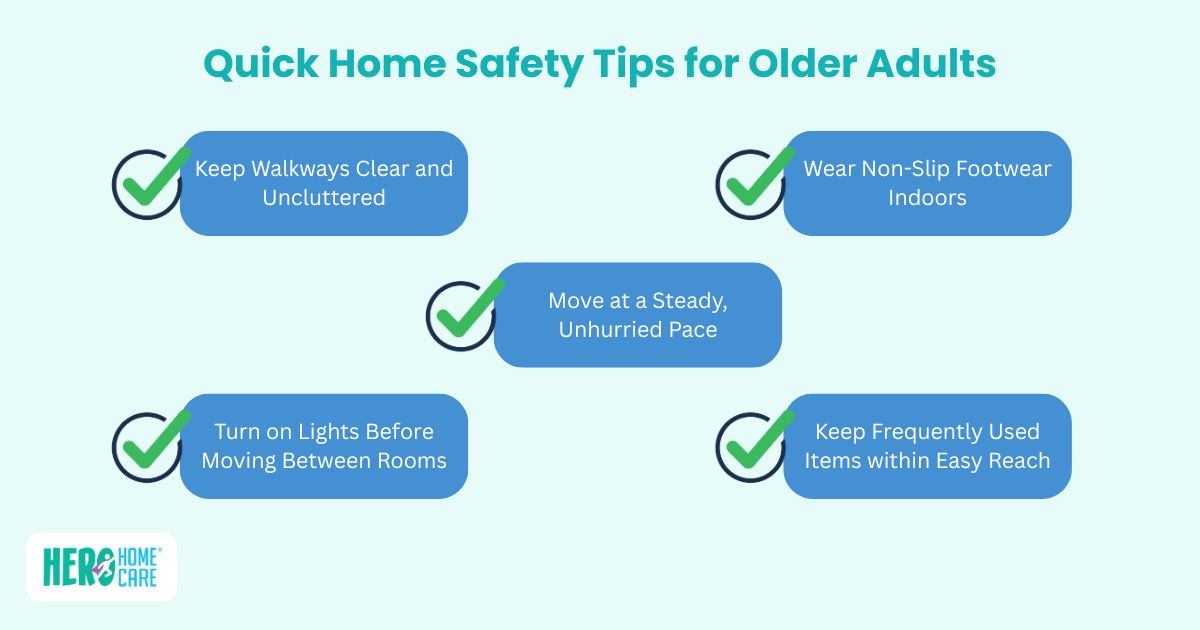
Home Safety Tips for Seniors: How Families Can Create a Safer Living Environment
Home safety is one of the most important concerns families face when supporting an older loved one. Whether your parent wants to remain at home or is exploring senior living, small hazards can quickly become major risks. Slippery floors, poor lighting, cluttered walkways, and inaccessible bathrooms can affect mobility, confidence, and independence. For many families, the goal is not only preventing falls and injuries, but also preserving dignity, comfort, and quality of life.
This guide explains how to evaluate home safety, identify common risks, and make practical changes that support aging well. It also helps family decision-makers understand when assisted living, memory care, skilled nursing, independent living, or respite care may offer a safer and more supportive environment. If you are comparing options for a retirement community or looking for pet-friendly senior living, the right setting should match both safety needs and lifestyle preferences.
What Families Need to Know About Senior Home Safety
As people age, even familiar spaces can become harder to navigate. Vision changes, balance concerns, arthritis, medication side effects, and memory challenges can all increase the chance of an accident. A safe home environment should reduce trip hazards, improve access to essentials, and make daily routines easier to manage.
Safety planning is especially important if your loved one has difficulty with activities of daily living (ADLs) such as bathing, dressing, toileting, transferring, or preparing meals. When these tasks become harder, the risk of falls, burns, missed medications, and dehydration often increases.
Tip: A safe home is not just about preventing injuries. It should also support independence, confidence, and a predictable daily routine.
Common Hazards That Put Older Adults at Risk
Many serious accidents in the home are preventable. Families should begin by looking at the areas where seniors spend the most time, including bedrooms, bathrooms, kitchens, hallways, stairs, and entryways.
Frequent safety concerns include:
- Poor lighting in hallways, stairs, and bathrooms
- Loose rugs, cords, or clutter that create tripping hazards
- Slippery surfaces in kitchens, bathrooms, and near entrances
- Hard-to-reach items that require climbing or bending
- Unsafe bathrooms without grab bars, non-slip mats, or shower seating
- Stairs without handrails or adequate lighting
- Fire risks from cooking, space heaters, or overloaded outlets
- Medication management problems that can lead to missed doses or double dosing
For older adults with dementia or other cognitive changes, these risks may be compounded by confusion, wandering, or difficulty recognizing danger. In those situations, memory care may offer a more structured and secure approach.
Simple Home Modifications That Make a Big Difference
Many families can improve safety with low-cost updates. Start with the areas that are most used and most likely to cause injury.
1. Improve lighting throughout the home
Install bright lighting in hallways, staircases, bathrooms, and entrances. Use night-lights in bedrooms and along routes to the bathroom. Motion-sensor lighting can be especially helpful for nighttime movement.
2. Remove tripping hazards
Clear clutter from walkways, secure loose rugs, and keep cords out of traffic areas. Arrange furniture to allow easy movement with walkers, canes, or wheelchairs.
3. Make the bathroom safer
Bathrooms are one of the highest-risk areas in the home. Add grab bars near the toilet and shower, use non-slip mats, and consider a shower chair or handheld showerhead. Raised toilet seats can also make transfers easier.
4. Keep frequently used items within reach
Place dishes, medications, clothing, and toiletries at a comfortable height. This reduces the need for bending, stretching, or climbing on step stools.
5. Reduce kitchen hazards
Store sharp tools safely, use automatic shut-off appliances when possible, and keep a fire extinguisher accessible. Families should also review whether cooking remains safe if memory loss, weakness, or poor vision are present.
6. Support mobility and transfers
Install handrails on both sides of stairways if possible. Use sturdy chairs with arms to make standing easier. If mobility has declined, an occupational therapist can suggest additional modifications tailored to the home.
How to Match Safety Needs With the Right Living Option
Sometimes home changes are enough. In other cases, the safest choice may be a move to a senior living community that offers the right level of support.
Independent living
Independent living is best for older adults who can manage most ADLs but want a maintenance-free lifestyle, social opportunities, and a safer environment with fewer home-related responsibilities. It can reduce risks tied to stairs, home repairs, and isolation.
Assisted living
Assisted living is a strong option when a person needs help with bathing, dressing, medication reminders, meals, or mobility support. Communities are designed to provide safety oversight while still promoting independence.
Memory care
Memory care may be appropriate for individuals with Alzheimer’s disease or other forms of dementia who need a secure setting, structured routines, and staff trained to respond to cognitive changes. Safety features often include secured entrances, simplified layouts, and enhanced supervision.
Skilled nursing
Skilled nursing is typically the right choice for older adults with complex medical needs, rehabilitation requirements, or significant physical limitations. This level of care offers 24-hour clinical support and may be essential after a hospitalization or serious decline in health.
Respite care
Respite care can be useful when family caregivers need temporary relief or when an older adult needs short-term supervision after surgery, illness, or during a transition period. It can also be a helpful way to test a community before making a permanent move.
Signs It May Be Time for More Support
Families often delay change until a fall or emergency occurs. Watch for patterns that suggest the current living arrangement is no longer safe.
- Frequent falls or near-falls
- Noticeable weight loss or skipped meals
- Medication errors or confusion about prescriptions
- Difficulty bathing, dressing, or using the bathroom safely
- Worsening memory, disorientation, or wandering
- Burns, appliance misuse, or other household accidents
- Increased isolation or reduced confidence moving around the home
If more than one concern is present, it may be time to evaluate whether a retirement community or other senior living setting would better support safety and quality of life.
What to Look for When Touring Senior Living Communities
When touring communities, safety should be a top priority along with comfort and lifestyle. Ask how the community supports fall prevention, medication management, emergency response, and personal care.
Helpful questions to ask include:
- How do staff support residents with ADLs?
- What safety features are built into apartments and common spaces?
- Is staff available 24 hours a day?
- How are medication reminders or administration handled?
- What happens if a resident needs more care over time?
- Are there transportation, housekeeping, and dining services?
- Are pets allowed in pet-friendly senior living options?
A well-run community should clearly explain care levels, staffing, emergency procedures, and how residents transition between services as needs change.
Supporting Independence While Reducing Risk
The best safety plans do not take control away from older adults. Instead, they make daily life easier and more secure. That might mean installing adaptive equipment, simplifying routines, using reminder systems, or moving to a community where help is available when needed.
Families should also consider the emotional side of change. Many older adults resist help because they fear losing independence. A respectful conversation focused on safety, comfort, and personal preferences often leads to better decisions than a crisis-driven approach.
Safety planning works best when it balances practical protection with the older adult’s need for autonomy, routine, and dignity.
Practical Next Steps for Families
Start with a room-by-room safety check. Then identify which changes can be made immediately and which issues may require professional support. If your loved one is managing well with minor updates, home modifications may be enough. If safety problems continue, compare assisted living, independent living, memory care, skilled nursing, or respite care based on current and future needs.
When reviewing options, focus on the whole picture – physical safety, ADL support, medication assistance, social engagement, and how well the setting fits daily routines and preferences. For some older adults, staying at home with modifications is the best choice. For others, senior living offers a safer and more supportive path forward.
Taking action early gives families more choices and helps older adults maintain confidence, comfort, and quality of life.

Written by
Rachel Kim
Senior Research Lead at NearbySeniorLiving.com. Rachel brings over a decade of experience in senior care research, helping families navigate the complex landscape of care options with evidence-based guidance. Her work focuses on translating clinical research into practical advice for family caregivers.