
Flood Evacuation Lessons for Families Choosing Safe Senior Living and Nursing Care
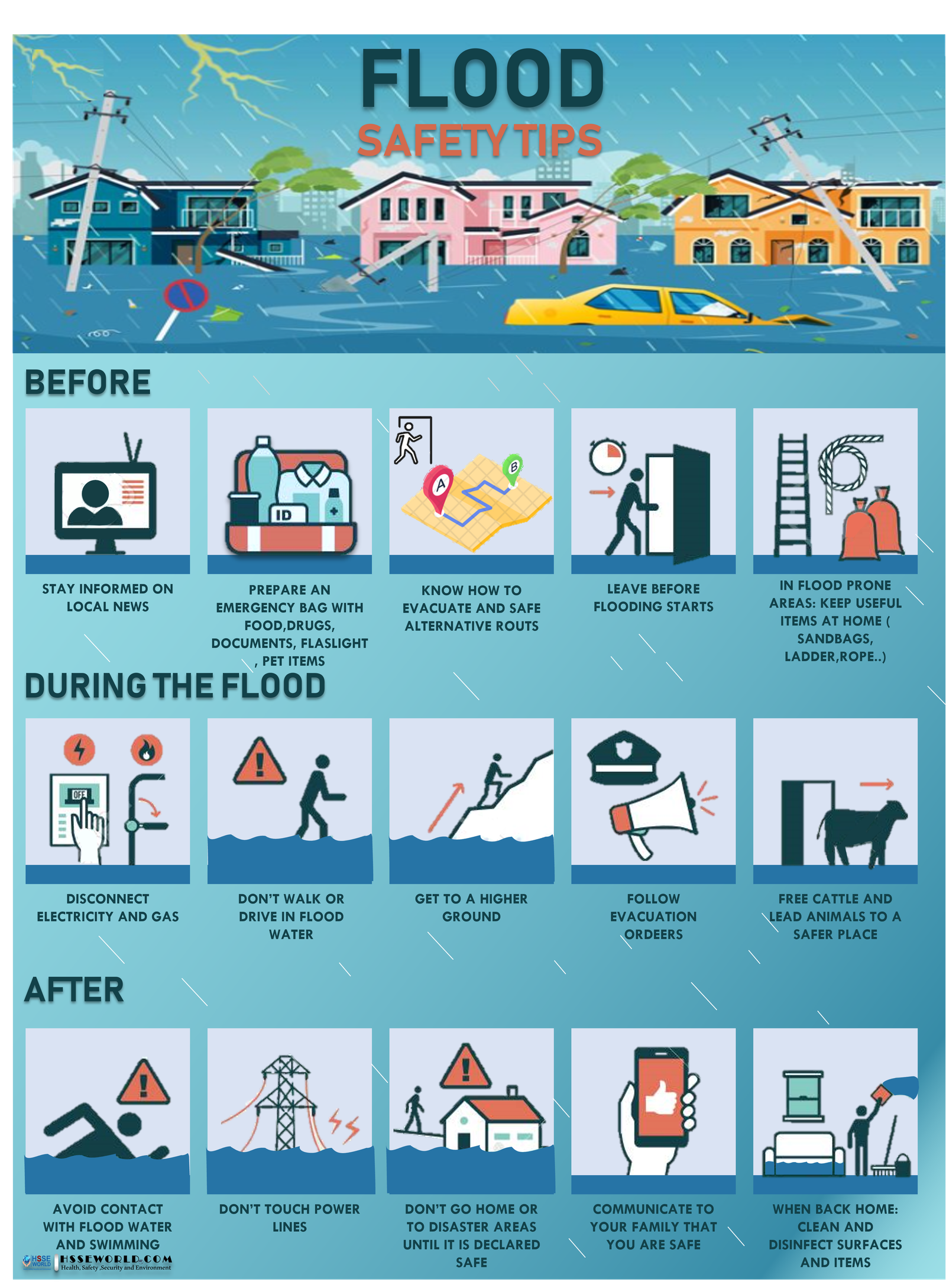
When flooding forces a nursing home evacuation, families quickly see why senior living safety is about more than a pleasant room or a convenient location. A recent FOX 9 report from New Richland, Minnesota described how community members helped evacuate residents after floodwaters affected a nursing home. For adult children, spouses, and caregivers, events like this raise urgent questions: Does the community have a disaster plan? How are residents with mobility needs moved? Who communicates with families? Whether you are comparing assisted living, memory care, skilled nursing, independent living, or respite care, emergency readiness should be part of every tour and care planning conversation. The right questions can help protect an older adult during severe weather, power outages, transportation disruptions, and medical emergencies.
Important Safety Points for Families
- Ask how evacuations are handled: A quality senior care provider should explain transportation, staffing, medication management, and family notification procedures.
- Match the plan to the resident: Emergency protocols should account for activities of daily living (ADLs), mobility limitations, oxygen use, dementia symptoms, and fall risk.
- Review communication practices: Families need clear updates before, during, and after a flood, fire, storm, or power outage.
- Consider the care setting: Independent living, assisted living, memory care, and skilled nursing each require different levels of emergency support.
- Look for community resilience: Strong relationships with local emergency responders, hospitals, volunteers, and transportation partners can make a real difference.
What the New Richland Flood Evacuation Shows Families
The FOX 9 report highlights a situation no family wants to imagine: vulnerable nursing home residents needing to leave quickly because of flooding. While each facility and emergency is different, the broader lesson is clear. Senior care communities must be prepared to act quickly, calmly, and safely when conditions change.
Flooding creates risks beyond standing water. Elevators may stop working, roads may close, electrical systems can be affected, and residents may become anxious or disoriented. For someone in memory care, a sudden move can increase confusion. For someone in skilled nursing, an evacuation may require careful coordination of medications, medical equipment, wound care supplies, feeding needs, or oxygen.
Family tip: During a tour, ask the administrator or director of nursing to walk you through the last time the community completed an emergency drill, what was learned, and how the plan was improved.
Emergency Preparedness Questions to Ask Before Choosing Care
Families often focus first on cost, location, meals, staffing, and amenities. Those are important, but emergency planning deserves equal attention. When evaluating a retirement community or care facility, ask direct questions and request specifics.
Evacuation and shelter plans
- Where do residents go if the building must be evacuated?
- Does the community have agreements with nearby facilities, churches, schools, hotels, or medical providers?
- How are residents transported if roads are flooded or buses are unavailable?
- How are residents who use wheelchairs, walkers, oxygen, or hospital beds moved safely?
Staffing during emergencies
- Who is in charge during a disaster?
- How many staff members are expected to remain on site?
- Are employees trained for flood, tornado, fire, and power outage scenarios?
- How does the community handle staff shortages if roads are closed?
Medication and health records
- How are medications packed and tracked during evacuation?
- Are electronic health records accessible off site?
- Can staff quickly identify residents with diabetes, cardiac conditions, dementia, allergies, or complex care needs?
- How are physician orders and emergency contacts kept current?
How Care Type Affects Emergency Needs
Not every senior living option provides the same level of support. Understanding the differences helps families choose an environment that can respond appropriately during both daily care and unexpected emergencies.
Independent living
Independent living is generally designed for older adults who can manage most personal needs on their own. Residents may enjoy social events, dining, maintenance-free housing, and transportation. However, families should still ask about wellness checks, storm alerts, backup power, and evacuation assistance. An older adult who is independent today may still need help during a flood or extended power outage.
Assisted living
Assisted living supports residents who need help with activities of daily living (ADLs), such as bathing, dressing, toileting, transferring, eating, and medication reminders. In an emergency, the community must know exactly who needs hands-on support and how much time it takes to move each person safely. Ask whether care plans are updated after changes in mobility, cognition, or health status.
Memory care
Memory care serves people living with Alzheimer’s disease or other forms of dementia. Emergency planning is especially important because residents may not understand why they are being moved. Look for secure procedures, calm communication techniques, staff trained in dementia care, and identification systems that help prevent wandering during relocation.
Skilled nursing
Skilled nursing facilities care for residents with medical needs that require licensed nursing oversight. During evacuation, staff may need to manage wound care, IV therapies, oxygen, specialized diets, rehabilitation equipment, or complex medication schedules. Families should ask how the facility coordinates with hospitals, pharmacies, emergency medical services, and receiving locations.
Respite care
Respite care provides short-term support for older adults while family caregivers rest, travel, or recover from their own health concerns. Even for a temporary stay, emergency readiness matters. Make sure the provider has complete contact information, medication lists, mobility details, physician contacts, and instructions for any cognitive or behavioral needs.
Communication Can Reduce Fear and Confusion
In a crisis, families want timely and accurate information. A strong senior living provider should have a communication plan that includes phone calls, text alerts, emails, website updates, or an emergency hotline. Ask who contacts families, how often updates are sent, and what happens if phone lines or internet service fail.
Families can also prepare by keeping a current emergency information sheet. Include the resident’s legal name, preferred name, diagnoses, medications, allergies, mobility needs, hearing or vision limitations, primary physician, insurance information, emergency contacts, and any advance directives. Provide copies to the community and update them regularly.
Pet-Friendly Senior Living and Emergency Planning
For many older adults, pets provide comfort, routine, and companionship. If you are considering pet-friendly senior living, ask how pets are handled during evacuations. Important questions include whether pets can accompany residents to temporary shelter, what vaccination records are required, who transports pet supplies, and whether staff can assist if a resident cannot manage the animal during an emergency.
Families should prepare a pet emergency kit with food, medications, a leash or carrier, veterinary records, and contact information for someone who can temporarily care for the pet if needed.
Signs of a Well-Prepared Senior Care Community
- Clear written policies: The community can explain evacuation, shelter-in-place, flood response, and power outage procedures.
- Regular drills: Staff practice emergency response and update procedures based on lessons learned.
- Resident-specific planning: Care plans include mobility, cognition, communication, and medical needs.
- Local coordination: The provider maintains relationships with emergency management, fire departments, ambulance services, hospitals, pharmacies, and transportation vendors.
- Transparent leadership: Administrators answer questions directly and provide documentation when appropriate.
Questions to Bring on Your Next Tour
Use these questions when comparing senior living communities:
- Can I see or review a summary of your emergency preparedness plan?
- How do you identify which residents need the most help first?
- What backup power systems are available?
- How do you maintain safe temperatures during extreme heat or cold?
- How do you protect medications, medical records, and personal belongings?
- How are families notified if residents are moved?
- What recent emergencies or drills have shaped your current procedures?
Moving Forward With Confidence
The New Richland flooding response is a reminder that senior care decisions should include both everyday quality of life and emergency readiness. A beautiful building is not enough if the plan for severe weather, flooding, or medical disruption is unclear. Families should compare providers carefully, ask detailed questions, review state inspection information when available, and consult healthcare professionals for guidance related to medical needs.
Choosing the right assisted living, memory care, skilled nursing, independent living, respite care, or retirement community means looking for compassion, competence, and preparation. When a provider can clearly explain how it protects residents during a crisis, families gain something invaluable: greater peace of mind.

Written by
Rachel Kim
Senior Research Lead at NearbySeniorLiving.com. Rachel brings over a decade of experience in senior care research, helping families navigate the complex landscape of care options with evidence-based guidance. Her work focuses on translating clinical research into practical advice for family caregivers.