
How Direct Care Worker Shortages Affect Senior Living, Assisted Living, and Family Care Decisions
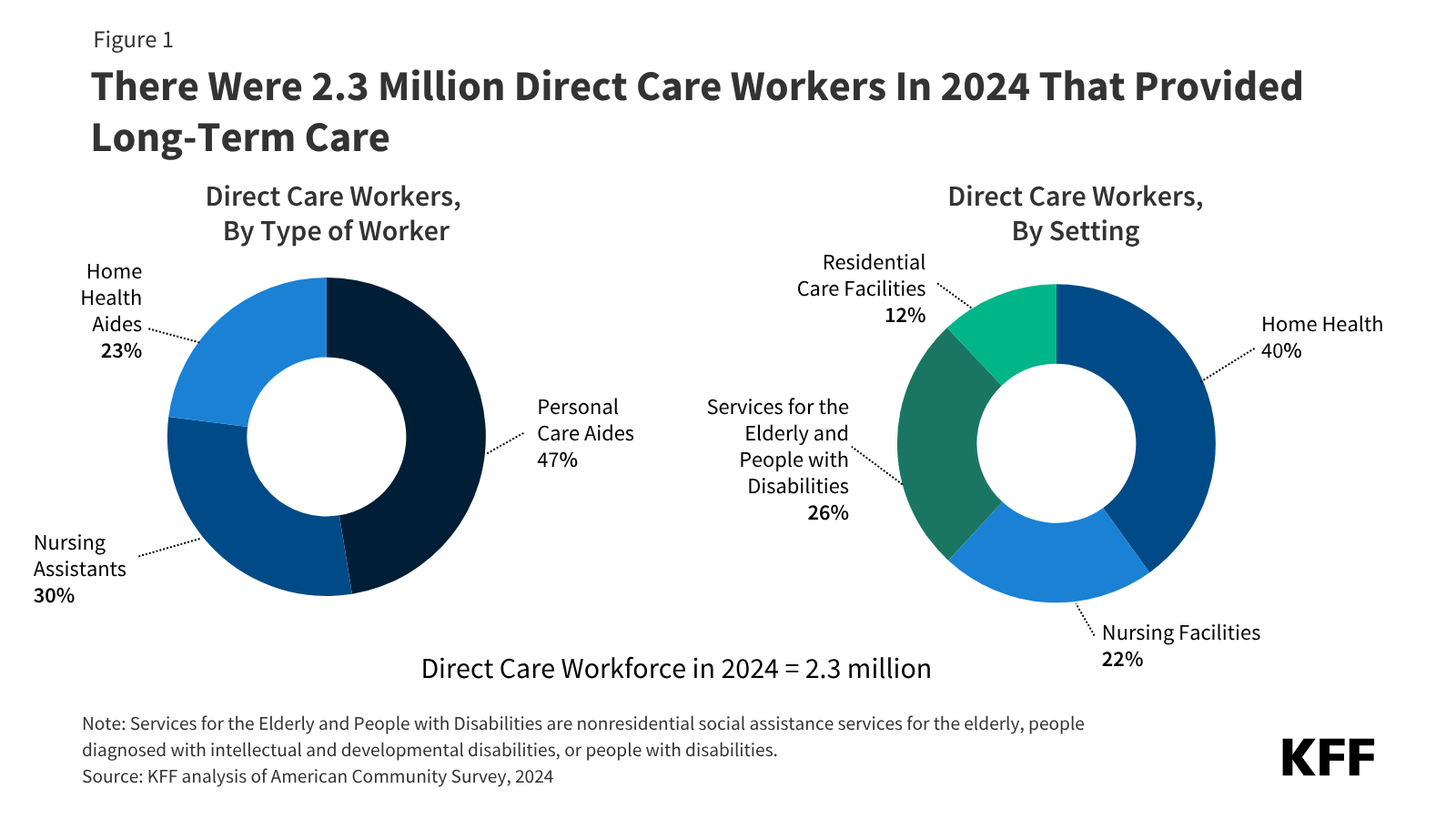
Direct care workers are the backbone of senior living, assisted living, memory care, skilled nursing, and home-based support. For families comparing care options, staffing is not just an operational detail – it directly affects safety, dignity, response times, personal attention, and quality of life. Recent KFF analysis highlights how Medicaid policy changes may influence this essential workforce, including workers who help older adults and people with disabilities with activities of daily living (ADLs) such as bathing, dressing, eating, toileting, transferring, and mobility. Because many long-term care services depend on Medicaid funding, workforce pressures can ripple across care settings. Understanding who these workers are, what they do, and how policy changes may affect staffing can help families ask better questions when evaluating a retirement community, assisted living residence, or skilled nursing facility.
Important Points for Families Comparing Care
- Direct care workers provide hands-on support that helps older adults remain safe, clean, nourished, mobile, and socially connected.
- Staffing stability matters in assisted living, memory care, skilled nursing, respite care, and home care because consistent caregivers often recognize changes in health sooner.
- Medicaid policy changes can affect access to long-term services and supports, especially for lower-income older adults and people with disabilities.
- Families should ask specific staffing questions about turnover, training, supervision, overnight coverage, and support for activities of daily living (ADLs).
- Care quality is shaped by both workforce and culture, including communication, compassion, safety protocols, and resident engagement.
Who Are Direct Care Workers?
Direct care workers include personal care aides, home health aides, nursing assistants, and other support staff who provide essential daily assistance in homes, senior living communities, assisted living residences, memory care neighborhoods, and skilled nursing facilities. Their work is often intimate, physically demanding, and emotionally complex.
These caregivers may help residents get out of bed, bathe, dress, use the bathroom, eat meals, take part in activities, move safely through a community, and maintain personal routines. In memory care, they may also use redirection, reassurance, and structured engagement to support residents living with Alzheimer’s disease or other forms of dementia.
While nurses, physicians, therapists, and administrators all play important roles, direct care workers are often the people who spend the most time with residents. They may be the first to notice appetite changes, confusion, skin concerns, mood shifts, or signs of infection. That daily familiarity is a major reason caregiver consistency matters.
Why Workforce Issues Matter in Senior Living and Long-Term Care
When a community is well staffed, residents are more likely to receive timely help with call lights, toileting, bathing, meals, mobility, medication reminders where permitted, and social participation. When staffing is strained, care teams may feel rushed, families may notice delays, and residents who need frequent assistance may be at higher risk of falls, isolation, poor nutrition, or unmet personal care needs.
Workforce shortages can affect nearly every type of care setting:
- Independent living: While residents are typically more self-sufficient, many retirement community campuses offer optional support services, transportation, dining, wellness programming, and transitions to higher levels of care.
- Assisted living: Staff help residents with activities of daily living (ADLs), personal care, meals, mobility support, and supervision based on individual care plans.
- Memory care: Specialized caregivers support residents with dementia through structured routines, safety monitoring, personal care, behavioral support, and meaningful engagement.
- Skilled nursing: Certified nursing assistants and nursing staff provide more intensive care, often for residents with complex medical needs, rehabilitation needs, or 24-hour supervision requirements.
- Respite care: Short-term stays depend on staff who can quickly understand a guest’s needs, routines, risks, and preferences.
How Medicaid Policy Can Influence the Direct Care Workforce
KFF notes that Medicaid is a major payer for long-term services and supports in the United States. This matters because many older adults and people with disabilities rely on Medicaid to pay for care that Medicare generally does not cover long term, such as extended assistance with daily personal care.
When federal or state Medicaid policies change, the effects can reach providers, workers, residents, and families. For example, reimbursement rates can influence wages, benefits, training investments, and whether providers can recruit and retain enough direct care workers. Eligibility rules and funding changes may also affect who can access services and where care is available.
Family decision tip: Ask each provider how they recruit, train, supervise, and retain caregivers. A beautiful building is important, but the strength of the care team often has a greater impact on daily life.
Because long-term care is labor-intensive, providers often face challenges when wages are not competitive with other industries. Many direct care workers perform essential health-related support while earning modest pay, and some may lack employer-sponsored benefits or predictable schedules. High turnover can make it harder for communities to maintain continuity of care.
What Families Should Ask About Staffing Before Choosing Care
Whether you are touring an assisted living community, evaluating memory care, arranging respite care, or considering skilled nursing after a hospital stay, staffing questions should be part of every conversation. Families do not need to be policy experts, but they should feel comfortable asking direct questions.
Questions About Daily Care
- How do you assess a resident’s need for help with activities of daily living (ADLs)?
- How often are care plans reviewed and updated?
- What is the typical response time when a resident requests help?
- How do staff communicate changes in condition to nurses, supervisors, and families?
- How are residents supported during meals, bathing, toileting, and transfers?
Questions About Training and Supervision
- What training do direct care workers receive before working independently?
- Is dementia-specific training required for memory care staff?
- Who supervises caregivers on each shift?
- How are new employees mentored?
- What ongoing education is provided for fall prevention, infection control, communication, and resident rights?
Questions About Turnover and Coverage
- What is your caregiver turnover rate?
- How do you cover call-outs, vacations, and overnight shifts?
- Do you use agency staff, and if so, how are they trained on resident routines?
- Are staffing levels adjusted when resident care needs increase?
- How do you maintain consistency for residents who are anxious, medically fragile, or living with dementia?
Why Caregiver Consistency Is Especially Important in Memory Care
For residents living with dementia, familiar caregivers can reduce distress and improve cooperation with personal care. A caregiver who knows a resident’s life story, preferred routine, communication style, and triggers may be better able to prevent agitation and support comfort.
In memory care, quality is not only about locked doors or secured courtyards. It is also about staff who understand dementia progression, use respectful language, protect dignity during bathing and dressing, and create moments of connection. Families should observe whether staff appear patient, attentive, and engaged with residents during tours.
Pet-Friendly Senior Living and the Staffing Connection
Many families also search for pet-friendly senior living because pets can provide companionship, routine, and emotional comfort. However, pet policies should be reviewed carefully. Ask whether staff can assist with pet care reminders, walking arrangements, feeding support, or coordination with outside services. A community may welcome pets, but residents still need a realistic plan if health needs increase.
For older adults moving from independent living to assisted living, pet support can become part of the broader care conversation. Families should ask how the community balances resident independence, animal safety, and staff responsibilities.
How to Evaluate Quality Beyond the Tour
A tour can show cleanliness, amenities, apartment layouts, dining areas, and activity spaces, but families should also look for evidence of a strong care culture. Notice whether residents are well groomed, whether call lights or requests are handled calmly, and whether staff greet residents by name. Ask to review sample activity calendars, dining options, safety practices, and family communication procedures.
For skilled nursing, review public inspection information, staffing data where available, and hospital discharge recommendations. For assisted living and memory care, check state licensing records, complaint histories, and any available quality reports. Regulations vary by state, so families should compare communities using both official records and in-person observations.
Choosing the Right Setting for Your Loved One
The best option depends on health needs, cognitive status, finances, personal preferences, family involvement, and safety risks. Independent living may fit an older adult who wants a maintenance-free retirement community with social opportunities. Assisted living may be appropriate when help with activities of daily living (ADLs) is needed. Memory care may be safer when dementia-related wandering, confusion, or behavioral symptoms require specialized support. Skilled nursing may be necessary for complex medical care or rehabilitation. Respite care can provide short-term relief for family caregivers or a trial stay before a longer move.
As you compare options, remember that direct care workers are central to resident well-being. Families should prioritize communities that value caregivers, communicate transparently, invest in training, and treat residents with dignity. Strong staffing does not guarantee perfection, but it is one of the clearest signs that a senior living provider is prepared to meet real daily needs.
Next Steps for a Confident Care Decision
Before making a decision, write down your loved one’s daily care needs, medical conditions, mobility risks, memory concerns, social preferences, budget, and pet needs if applicable. Then compare each senior living, assisted living, memory care, or skilled nursing option using the same questions. Ask for written care plans, fee details, staffing information, and policies for changes in condition. When families understand the role of direct care workers, they are better prepared to choose a setting where their loved one can receive safe, respectful, and consistent support.

Written by
Rachel Kim
Senior Research Lead at NearbySeniorLiving.com. Rachel brings over a decade of experience in senior care research, helping families navigate the complex landscape of care options with evidence-based guidance. Her work focuses on translating clinical research into practical advice for family caregivers.