
What Families Should Know When Choosing Assisted Living and Memory Care in a Senior Living Community
How to Evaluate the Right Care Setting for an Aging Loved One
Choosing the right senior living option can feel overwhelming, especially when a loved one’s needs are changing. Families often begin by comparing assisted living, memory care, independent living, skilled nursing, and respite care, but the best choice is not just about services. It is also about safety, dignity, daily support, and the quality of life your loved one can expect every day. Communities that prioritize compassionate leadership, individualized care, and resident engagement can make a meaningful difference for older adults and their families. This is especially true when considering support for activities of daily living (ADLs), social connection, and specialized programs for cognitive support. The right retirement community should help your loved one feel secure, respected, and at home.
What to Look for in a Senior Living Community
- Support that matches current and changing care needs, including help with ADLs.
- Clear differences between assisted living, memory care, and skilled nursing services.
- Strong leadership, trained staff, and a person-centered culture.
- Engaging activities, social opportunities, and a comfortable living environment.
- Practical features like pet-friendly senior living policies, dining quality, and family communication.
Why Leadership Matters in Care Quality
When families tour communities, they often focus on apartments, dining, and amenities. Those details matter, but leadership is just as important. A community with experienced executive leadership is more likely to maintain consistency, accountability, and a culture of respect. Strong leaders help align staff training, resident care plans, and family communication so residents receive the right support at the right time.
Recent industry recognition of leaders in assisted living and memory care underscores this point. Executives who are visible, trusted, and committed to mission-driven service often help shape a community where residents thrive. For families, that can mean better coordination, more responsive care, and a clearer understanding of how the community handles changing needs.
Families should look beyond brochures and ask how leadership supports staff retention, resident wellness, and individualized care planning.
Understanding Assisted Living vs. Memory Care
Assisted living is designed for older adults who need help with some daily tasks but still want independence and privacy. Support may include bathing, dressing, medication reminders, meals, housekeeping, and transportation. For many residents, this balance of help and freedom makes assisted living an ideal step before more intensive care is needed.
Memory care provides specialized support for people living with Alzheimer’s disease or other forms of dementia. These programs usually include secure environments, structured routines, staff trained in dementia care, and activities tailored to cognitive abilities. If your loved one has wandering risks, confusion, or significant memory loss, memory care may offer more appropriate support than standard assisted living.
Knowing the difference helps families avoid choosing a setting that is either too limited or more intensive than necessary. The goal is to match the environment to the person’s needs while preserving dignity and quality of life.
When Independent Living May Be the Right Fit
Independent living is often a strong choice for active older adults who want a maintenance-free lifestyle without daily personal care. Residents typically live in private apartments or cottages and enjoy amenities such as housekeeping, dining, fitness programs, and transportation. This option is ideal for seniors who are mostly self-sufficient but want the security and convenience of a retirement community.
Many families choose independent living early so their loved one can enjoy community life before care needs increase. This can also make future transitions smoother because the resident is already familiar with the environment and staff.
Recognizing When More Support Is Needed
Families often notice early signs that a loved one may need more help, such as missed medications, weight loss, poor hygiene, fall risk, or difficulty managing bills and appointments. Challenges with activities of daily living (ADLs) are a common indicator that it is time to compare options more seriously.
ADLs typically include bathing, dressing, eating, toileting, mobility, and personal grooming. If your loved one needs regular assistance with several of these tasks, assisted living may provide the right balance. If complex medical needs are also present, skilled nursing may be more appropriate because it offers a higher level of clinical oversight.
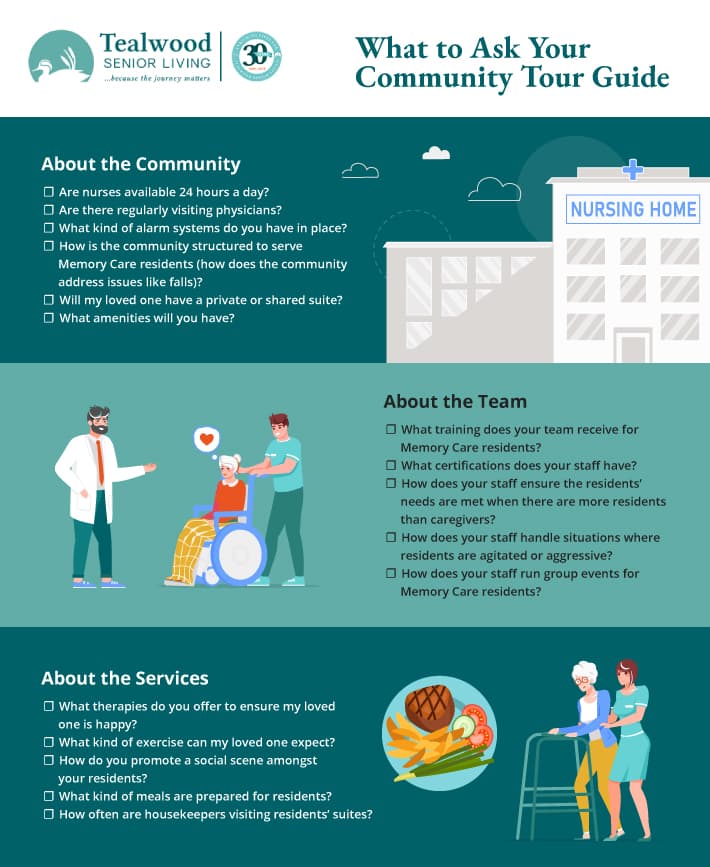
Questions to Ask During a Tour
- How do you assess care needs and update service plans?
- What is the staff-to-resident approach during day and night shifts?
- How are dementia-related behaviors supported in memory care?
- What does the community do to encourage social engagement and wellness?
- How do you communicate with families about health or care changes?
The Value of Respite Care for Families
Respite care is a short-term stay option that gives family caregivers temporary relief while ensuring their loved one receives professional support. It can be useful after a hospital discharge, during a caregiver vacation, or when families need time to evaluate a community before making a long-term decision.
Respite stays also give seniors a chance to experience daily life in the community. They can participate in meals, programs, and care routines while families observe whether the setting feels comfortable and supportive.
Daily Life, Social Connection, and Well-Being
The best senior living communities do more than provide basic care. They create a lifestyle that supports emotional health, connection, and purpose. Activities should be varied and meaningful, including fitness, music, games, spiritual opportunities, outings, and creative programs. Social engagement can reduce isolation and improve overall well-being for residents in assisted living and memory care alike.
Dining also plays an important role. Nutritious meals, flexible menus, and dining experiences that feel social and inviting can improve appetite and enjoyment. For some residents, pet-friendly senior living is another major quality-of-life factor. If pets are part of the family, policies that allow companion animals can ease the transition and create comfort.
How to Compare Communities With Confidence
Families should compare communities based on both care and culture. A beautiful setting is not enough if staff are hard to reach or if care feels impersonal. Look for signs of trustworthiness such as transparent pricing, clear service agreements, and a willingness to answer questions directly.
It is also wise to consider location, room options, security measures, and the availability of higher levels of care if needs change. A community that offers independent living, assisted living, memory care, and sometimes skilled nursing or access to clinical partners can provide continuity as health needs evolve.
Choose a community that can support today’s needs and adapt to tomorrow’s changes without forcing another major move.
Making a Decision That Supports Long-Term Peace of Mind
Moving a loved one into senior living is a major decision, but it can also open the door to greater safety, engagement, and relief for the whole family. The best choice depends on the person’s health, preferences, routines, and personality. Some older adults thrive in independent living, while others need the hands-on assistance of assisted living or the structured support of memory care. If recovery or temporary relief is the goal, respite care may be the best next step. And if medical complexity has increased, skilled nursing may be necessary.
By asking thoughtful questions, reviewing services carefully, and paying attention to leadership and resident experience, families can make a confident, informed choice. The right retirement community should feel like a partner in care, offering compassion, safety, and a genuine sense of belonging.

Written by
Rachel Kim
Senior Research Lead at NearbySeniorLiving.com. Rachel brings over a decade of experience in senior care research, helping families navigate the complex landscape of care options with evidence-based guidance. Her work focuses on translating clinical research into practical advice for family caregivers.