
How Families Can Choose the Right Senior Living Option for Dementia and Alzheimer’s Care
How Families Can Choose the Right Senior Living Option for Dementia and Alzheimer’s Care
When a loved one is diagnosed with dementia or Alzheimer’s disease, families often need to make decisions quickly while balancing safety, dignity, and quality of life. The right senior living setting can make a meaningful difference by providing daily support, cognitive engagement, and a secure environment that adapts as needs change. For many families, the search includes comparing assisted living, memory care, skilled nursing, independent living, and respite care to find the best fit. It is not just about amenities – it is about whether the community can support activities of daily living (ADLs), provide trained staff, and offer reassurance for both residents and caregivers. Understanding the differences between care levels can help families move forward with more confidence and less stress.
What Families Should Focus On First
- Safety and supervision: Look for environments designed to reduce wandering, confusion, and fall risks.
- Support with ADLs: Consider whether your loved one needs help with bathing, dressing, meals, medications, or mobility.
- Cognitive and social engagement: Daily routines, structured activities, and purposeful interaction can support quality of life.
- Care continuity: Choose a setting that can adapt as dementia progresses and care needs increase.
- Family communication: Transparent updates and responsive staff are essential for trust and peace of mind.
Understanding the Main Senior Living Options
Not every community is equipped to care for someone living with dementia. Some families begin with independent living, but as memory loss and functional changes progress, the need for more support often becomes clear. Evaluating each option carefully can help prevent emergency moves and reduce caregiver strain.
Independent Living
Independent living is best suited for older adults who can manage most daily tasks on their own but want a maintenance-free lifestyle and opportunities for social connection. This option usually does not include hands-on personal care or dementia-specific supervision. It may be appropriate in the early stages of memory loss if the person is still safe and supported by family nearby, but it is not a long-term solution for advanced cognitive decline.
Assisted Living
Assisted living can be a strong choice for older adults who need help with ADLs but do not require the intensive medical care found in a nursing setting. Residents may receive help with bathing, dressing, medication reminders, meals, and transportation. Some assisted living communities offer specialized memory support or staff training in dementia care, making them a practical option for individuals in the early to moderate stages of Alzheimer’s disease.
When reviewing assisted living communities, ask whether they have experience supporting residents with memory loss, how they respond to wandering risk, and whether staff are trained in communication strategies for people with dementia.
Memory Care
Memory care is specifically designed for people living with Alzheimer’s disease and other forms of dementia. These neighborhoods or communities typically feature secure entrances, structured routines, and staffing trained to support cognitive impairment. Activities are often tailored to residents’ abilities and may include music, reminiscence, sensory programs, and gentle physical movement.
Families often find that memory care offers the right balance of safety, structure, and dignity when a loved one can no longer remain secure in a less supervised setting.
Memory care is especially important when symptoms such as wandering, agitation, sundowning, disorientation, or unsafe medication management begin to affect daily life. Because needs can change over time, this setting may provide more consistent support than standard assisted living.
Skilled Nursing
Skilled nursing is appropriate when a person needs around-the-clock medical oversight, rehabilitation, or complex health management in addition to dementia support. This level of care is often considered when a resident has significant physical decline, chronic health conditions, wound care needs, or a high level of dependence for daily activities.
For some families, skilled nursing becomes the best option when dementia is accompanied by multiple medical issues or when personal care needs exceed what assisted living or memory care can safely provide.
Respite Care
Respite care gives family caregivers a temporary break while their loved one receives professional support in a senior living community. It can be especially helpful after a hospitalization, during caregiver travel, or when families need time to evaluate longer-term options. For individuals with memory loss, respite care can also serve as a low-pressure way to test how a community handles routines, transitions, and staff interactions.
Questions to Ask During a Community Tour
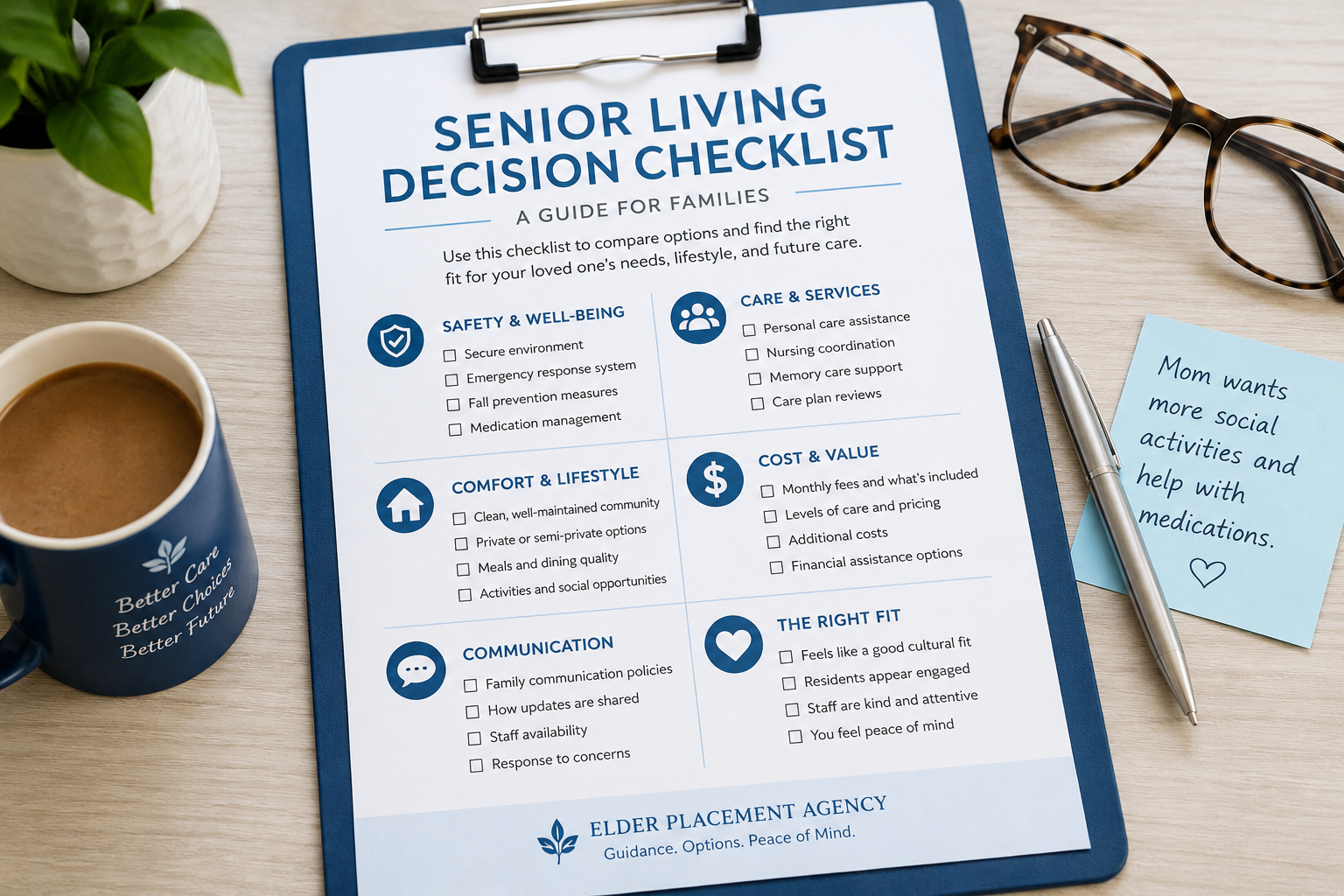
Choosing the right retirement community for a person with dementia requires more than reviewing brochures or online ratings. A thoughtful tour can reveal how well a community truly understands memory-related needs.
- How are residents with dementia supported during meals, bathing, and medication routines?
- What training do staff members receive in memory care and de-escalation techniques?
- How does the community handle wandering, nighttime confusion, or behavioral changes?
- Are activity calendars adapted for residents with different cognitive levels?
- What is the staff-to-resident ratio, especially in memory care areas?
- Can the community provide care as needs change over time?
- Are family members encouraged to participate in care planning?
These questions can help families move beyond surface impressions and assess whether the community is prepared to support both medical and emotional needs.
Why Daily Routines and Engagement Matter
People living with dementia often do better when days are predictable and meaningful. Familiar routines can reduce anxiety, while structured activities can support communication, comfort, and self-esteem. The best senior living communities create opportunities for engagement that match each resident’s abilities, whether that means music programs, art, light exercise, or one-on-one conversations.
Support with activities of daily living (ADLs) should also be delivered with patience and respect. A resident may still be able to do parts of a task independently, and good caregivers look for ways to preserve autonomy wherever possible. This person-centered approach is a hallmark of high-quality senior care.
Special Considerations for Families Choosing a Community
Every family’s situation is different. Some older adults need only limited help, while others require close supervision and medical coordination. In addition to care level, families should consider location, costs, room style, staffing consistency, and whether the community feels welcoming to the resident.
Pet-Friendly Senior Living
For many older adults, pets are a source of comfort and routine. Pet-friendly senior living can be an important factor, especially for residents who benefit emotionally from animal companionship. If a loved one is attached to a pet, ask the community about pet policies, service animal accommodations, and whether the environment can safely support both the resident and the animal.
That said, families should evaluate whether pet ownership is realistic in a memory care or higher-support setting. The primary concern should always be the resident’s safety, well-being, and daily support needs.
How to Balance Care Needs With Cost and Comfort
Cost is always part of the decision, but the cheapest option is not always the safest or most sustainable one. Families should compare monthly fees, levels of included support, and whether additional services are billed separately. It is also wise to ask how the community handles changes in care level and whether residents can remain in place as needs evolve.
Comfort matters too. A good match should feel calm, respectful, and responsive. Residents with dementia may not be able to explain what feels right, so families should pay attention to body language during visits. Do staff speak kindly and patiently? Are residents engaged or withdrawn? Does the environment feel organized and secure?
When It May Be Time to Make a Move
Families often wait until a crisis forces a decision, but earlier planning can lead to better outcomes. Signs that a transition may be needed include repeated falls, wandering, missed medications, poor nutrition, increased confusion, caregiver burnout, or unsafe living conditions. If your loved one can no longer manage ADLs independently, needs constant reminders, or requires supervision to remain safe, it may be time to consider assisted living, memory care, or skilled nursing.
Making the move sooner can also give the older adult more time to adjust to a new environment while they can still participate in the process.
Moving Forward With Confidence
Selecting the right retirement community for a person with dementia is one of the most important decisions a family can make. The best choice depends on the level of support needed today and the likely progression of care needs over time. Whether the right fit is independent living, assisted living, memory care, skilled nursing, or short-term respite care, the goal is the same – a safe, supportive setting that protects dignity and improves quality of life.
By asking direct questions, visiting communities in person, and focusing on how well each option supports ADLs, routines, and emotional well-being, families can make a more informed and compassionate decision for their loved one.

Written by
Rachel Kim
Senior Research Lead at NearbySeniorLiving.com. Rachel brings over a decade of experience in senior care research, helping families navigate the complex landscape of care options with evidence-based guidance. Her work focuses on translating clinical research into practical advice for family caregivers.