
How Assisted Living Inspection Data Helps Families Choose Safer Senior Living Options
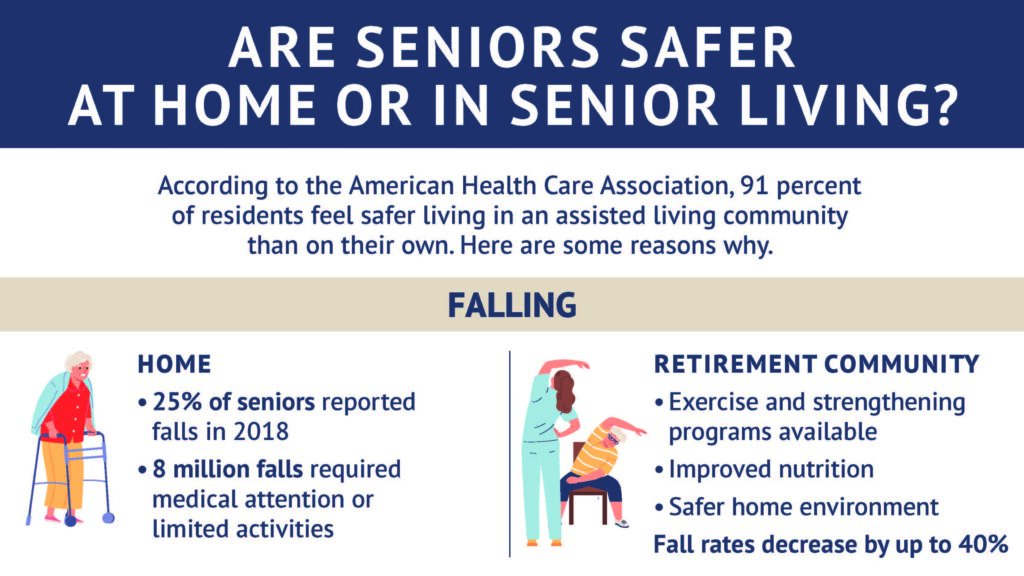
Why inspection data matters when choosing senior living
Choosing senior living for a parent or spouse is one of the most important decisions a family can make. Whether you are comparing assisted living, memory care, independent living, or a full-service retirement community, trust and transparency matter. Inspection reports offer a clearer picture of how a community performs on health, safety, staffing, and resident care. For many families, this information can help separate marketing claims from real-world practices.
A national directory with access to assisted living inspection data can make the search easier by putting more facts in one place. Instead of relying only on tours, brochures, or online reviews, families can review documented findings and ask more informed questions. That is especially important when a loved one needs support with activities of daily living (ADLs), has memory loss, or may eventually require skilled nursing or respite care. In a high-stakes decision, better information can lead to safer, more confident choices.
What inspection data can reveal
Inspection data typically comes from state oversight agencies that review assisted living communities for compliance with licensing rules and care standards. While the exact format varies by state, these records may help families understand how a community handles everyday operations, resident rights, medication management, cleanliness, and emergency readiness.
Families often use this information to look for patterns rather than isolated issues. A single citation may not tell the full story, but repeated concerns can signal a need for closer review. On the other hand, a history of strong compliance may provide reassurance when comparing several communities.
Common areas families can evaluate
- Medication administration and recordkeeping
- Staff training and supervision
- Fall prevention and emergency response procedures
- Resident care planning and monitoring
- Food service, housekeeping, and infection control
- Protection of resident rights and grievance handling
How to use inspection information during the search process
Inspection records are most useful when combined with direct observations from tours and conversations with staff. Families should use them as one part of a broader decision-making process, not the only factor. A community with strong inspection results may still need to be evaluated for culture, communication style, pricing, and the level of care it can provide over time.
When reviewing a community, ask whether its care model matches your loved one’s current and future needs. For example, an older adult who is mostly independent may do well in independent living, but someone who needs help bathing, dressing, or managing medications may need assisted living. If memory loss is a concern, families should compare memory care programs that offer specialized supervision, structured routines, and dementia-informed staffing. If a short-term recovery or caregiver break is needed, respite care may be the right fit.
Inspection data gives families a more objective starting point. It helps transform a stressful search into a more informed, comparison-based decision.
Questions to ask after reviewing a report
Once you review inspection results, use them to guide a conversation with the community. A strong provider should be willing to explain past findings, describe corrective actions, and show how current practices support resident safety.
Helpful questions for families
- What steps were taken to address the cited issue?
- Has staff training changed since the last inspection?
- How often are safety checks and quality reviews performed?
- What policies are in place for medication errors or falls?
- How does the community support residents who need help with ADLs?
- What levels of care are available if needs increase over time?
These questions matter because senior care is rarely static. A resident who enters a community in good health may later need more support, and families benefit from understanding whether care can scale appropriately.
What to look for beyond compliance
Inspection records are important, but they do not tell the whole story. Families should also evaluate staff engagement, resident happiness, and whether the environment feels welcoming and safe. During a tour, pay attention to whether team members know residents by name, whether common areas feel clean and active, and whether residents seem comfortable interacting with staff.
Consider lifestyle factors as well. A well-rounded retirement community should offer more than basic care. Social programs, fitness opportunities, dining quality, and meaningful activities all contribute to quality of life. Many families also value pet-friendly senior living, especially when a companion animal plays an important emotional role. If pets are part of the decision, confirm policy details on size, breed restrictions, fees, and service animal accommodation.
Signs of a strong community culture
- Staff answer questions clearly and respectfully
- Residents appear engaged and comfortable
- Activities are varied and regularly scheduled
- Care plans are individualized
- Safety procedures are visible and easy to understand
How inspection data supports different care levels
Families often begin their search with one care type in mind, then realize their loved one’s needs are more complex. Inspection information can help compare communities across different levels of support and identify which options are best suited for long-term planning.
For example, a senior who needs minimal help may be best served by independent living now, but families should ask how the community handles transitions if additional care becomes necessary. A person with dementia may need a secure memory care setting rather than standard assisted living. Someone with chronic health conditions or advanced care needs may eventually require skilled nursing, where licensed clinical services are available around the clock.
When communities offer multiple levels of care, families can sometimes keep a loved one in familiar surroundings longer. That continuity can reduce stress, support relationships, and make future transitions less disruptive.
Using transparent data to compare communities
One of the biggest challenges in senior care search is comparing communities fairly. Inspection data helps families move beyond glossy marketing and compare care quality using documented evidence. That can be especially helpful in crowded markets where many communities look similar at first glance.
When you compare options, look at the whole picture:
- Inspection history and correction actions
- Level of care offered
- Staffing patterns and training
- Costs and contract terms
- Resident lifestyle and family communication
- Proximity to family, physicians, and hospitals
This kind of comparison can reduce regret later. Families who gather more information early are often better prepared to choose a community that aligns with both care needs and personal values.
What families should remember before making a move
There is no perfect community for every older adult, but there is usually a best fit for a specific situation. Inspection data can help families ask sharper questions, notice warning signs earlier, and feel more confident about the final choice. It is particularly helpful when deciding between assisted living, memory care, independent living, and other senior living options.
Before signing a contract, request the latest inspection reports, review any patterns of concern, and confirm how the community responds to deficiencies. Then weigh that information alongside your loved one’s care needs, daily routines, social preferences, and long-term goals. The best decision is one that balances safety, dignity, and quality of life.
In senior care, transparency is not just helpful – it is essential. Families deserve clear information before they commit to a new home for someone they love.
Using inspection data as part of the search process can lead to better questions, better comparisons, and better outcomes. For families navigating this emotional journey, that extra clarity can make all the difference.

Written by
Rachel Kim
Senior Research Lead at NearbySeniorLiving.com. Rachel brings over a decade of experience in senior care research, helping families navigate the complex landscape of care options with evidence-based guidance. Her work focuses on translating clinical research into practical advice for family caregivers.