
New Affordable Senior Housing in the Bronx: What Families Should Know About Senior Living Options
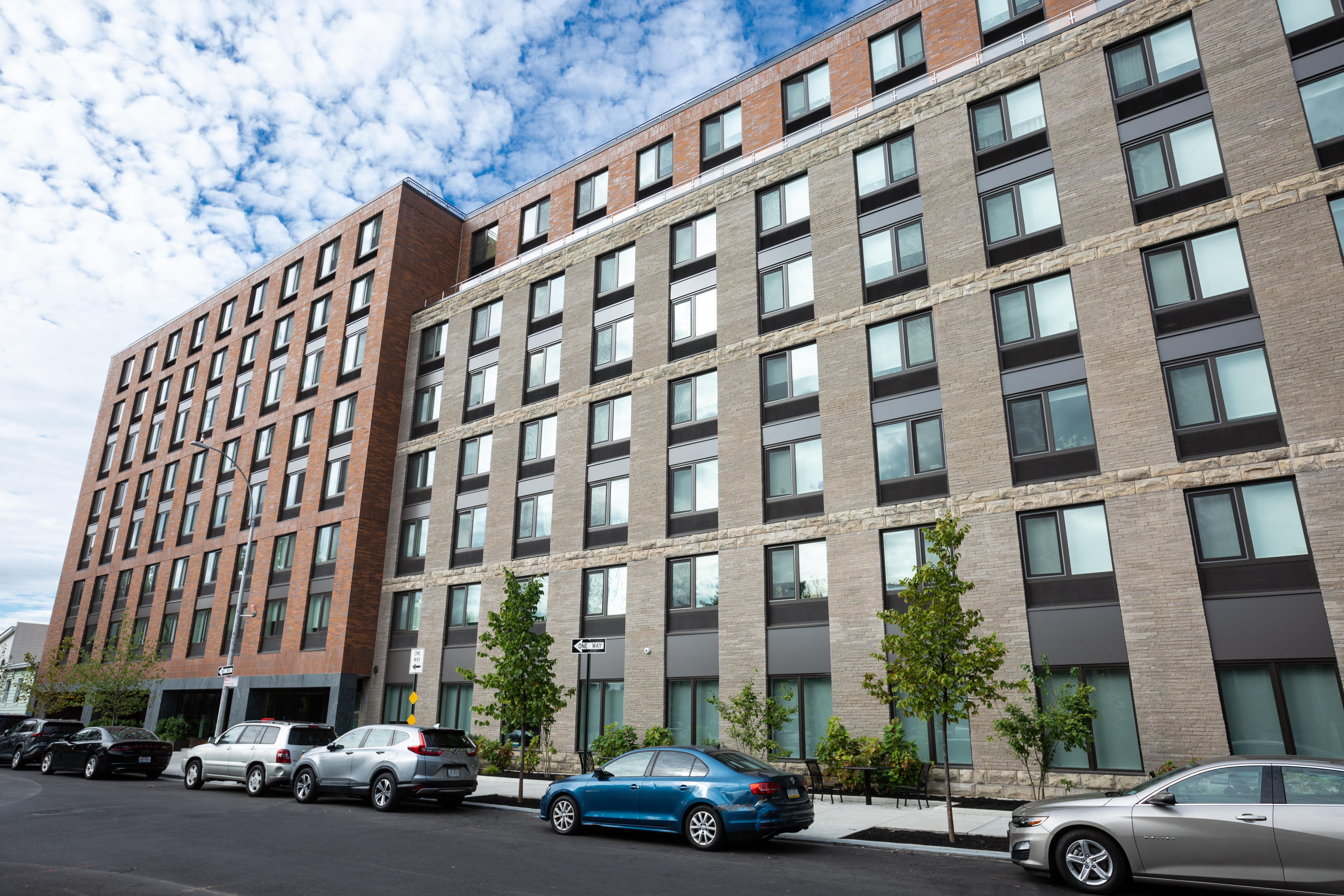
For families searching for senior living in New York City, the groundbreaking of a $214 million affordable senior housing community in the Bronx is an important development. According to a Business Wire announcement, The NRP Group, Selfhelp Realty Group, and Foxy Management have begun work on a major project designed to expand housing access for older adults. While every family still needs to evaluate care needs, budget, location, and services, new affordable housing can offer seniors a safer path to aging with dignity in a supportive community. For adult children and caregivers, this news is also a reminder to plan early, understand the differences between housing and care models, and compare options such as independent living, assisted living, memory care, skilled nursing, and respite care before a crisis occurs.
Important Points for Families
- Affordable housing and care are not always the same. A senior housing community may provide age-friendly apartments, but families should confirm what health, personal care, and supportive services are included.
- Care needs should guide the search. A senior who needs help with activities of daily living (ADLs) may require assisted living or in-home support, not just an apartment.
- Location matters. Proximity to family, hospitals, public transportation, pharmacies, and community services can affect safety and quality of life.
- Plan before needs escalate. Comparing senior living choices early gives families more time to understand eligibility, waitlists, costs, and care transitions.
Why This Bronx Development Matters
The Bronx has a large and diverse older adult population, and many seniors live on fixed incomes. A new affordable senior housing community can help address a real need: stable, accessible housing for older adults who may otherwise face rising rents, unsafe living conditions, or social isolation. For families, affordable senior housing can be one piece of a broader care plan, especially when paired with nearby medical care, transportation, social services, and caregiver support.
The project also reflects a growing national trend. More developers, nonprofit organizations, and public partners are focusing on senior housing that combines affordability with community-based supports. This is especially important in urban areas where older adults may want to remain near longtime neighborhoods, faith communities, doctors, friends, and family members.
Families should view new senior housing announcements as opportunities to ask practical questions: What services are available, who qualifies, what does it cost, and how will the community support changing needs over time?
Affordable Senior Housing vs. Senior Care: What Is the Difference?
Affordable senior housing typically refers to residences designed for older adults with income-based eligibility requirements. These communities may offer accessible apartments, elevators, common areas, resident programming, and connections to supportive services. However, they may not provide hands-on personal care unless a separate service provider is involved.
By comparison, assisted living is designed for older adults who need help with daily tasks such as bathing, dressing, medication reminders, meals, mobility, or toileting. These tasks are often called activities of daily living (ADLs). If a parent is struggling with ADLs, families should ask whether the housing community provides care directly, coordinates with home care agencies, or requires residents to arrange support independently.
Independent living is another option for active older adults who want a maintenance-free lifestyle, social activities, and fewer household responsibilities. It usually does not include medical care or extensive personal assistance. A retirement community may offer independent living, assisted living, or multiple levels of care on one campus, depending on its license and operating model.
When Assisted Living May Be a Better Fit
Assisted living may be appropriate when an older adult can no longer live safely without routine support. Warning signs can include missed medications, poor nutrition, repeated falls, unopened mail, changes in hygiene, caregiver burnout, or increased confusion. Families should not wait until an emergency hospitalization forces a rushed decision.
When comparing assisted living communities, ask about staffing levels, staff training, medication management, fall prevention, meal accommodations, transportation, emergency response procedures, and care plan updates. It is also wise to ask how the community handles increasing care needs. Some residents can age in place with added support, while others may need to transition to memory care or skilled nursing.
Memory Care for Dementia and Alzheimer’s Support
Memory care is specialized support for individuals living with Alzheimer’s disease or other forms of dementia. These communities or dedicated care neighborhoods often provide secured environments, structured routines, trained staff, cueing for daily tasks, and activities designed to reduce confusion and agitation.
Families considering memory care should ask about dementia-specific staff training, behavior support, wandering prevention, family communication, medication oversight, and how residents are engaged throughout the day. If a senior is still physically independent but increasingly unsafe at home due to memory loss, memory care may provide more appropriate support than standard senior housing.
Skilled Nursing and Rehabilitation Needs
Skilled nursing is generally intended for older adults who need a higher level of medical care. This may include post-hospital rehabilitation, wound care, injections, complex medication management, or 24-hour nursing supervision. Skilled nursing facilities are different from affordable housing and assisted living because they are more medically focused.
A senior may need skilled nursing after surgery, a stroke, a serious fall, or a hospitalization. Some stays are short term for rehabilitation, while others are long term due to ongoing medical needs. Families should review licensing, inspection history, rehabilitation services, staffing, infection control, and discharge planning when evaluating skilled nursing options.
Respite Care Can Support Family Caregivers
Respite care offers short-term support for seniors while giving family caregivers time to rest, travel, recover from illness, or manage personal responsibilities. Respite may be provided in assisted living, memory care, skilled nursing, adult day programs, or through in-home care providers.
For caregivers in the Bronx and surrounding areas, respite care can be especially valuable when a loved one is on a waitlist for affordable senior housing or when the family is still comparing long-term options. Short-term stays can also help families see how a senior responds to a more structured community setting.
Questions to Ask Before Choosing a Senior Living Option
- What level of care is needed now? Consider mobility, memory, medication, meals, bathing, dressing, toileting, and social support.
- What care may be needed in the next 12 to 24 months? Progressive conditions such as dementia, Parkinson’s disease, heart disease, or frailty may require more support over time.
- What is included in the monthly cost? Ask about rent, meals, utilities, care fees, transportation, activities, laundry, medication support, and community fees.
- Is the community pet friendly? Pet-friendly senior living can be important for emotional well-being, but policies may include breed, weight, vaccination, and care requirements.
- How does the community handle emergencies? Review call systems, overnight staffing, evacuation plans, and procedures for medical changes.
- Are residents socially engaged? Look for programs that match your loved one’s interests, culture, language, mobility, and cognitive abilities.
How Families Can Prepare for New Housing Opportunities
Affordable senior housing communities often have income requirements, age requirements, application procedures, and waitlists. Families should gather important documents early, including identification, income verification, benefit statements, medical information, and emergency contacts. If the senior receives Medicaid, Medicare, Social Security, Supplemental Security Income, veterans benefits, or housing assistance, it may be helpful to speak with a benefits counselor or qualified elder law professional.
It is also important to tour communities when possible. During a visit, observe cleanliness, accessibility, staff interactions, common spaces, safety features, and whether residents appear comfortable. Ask whether there are service coordinators, wellness programs, transportation options, or partnerships with local healthcare providers.
Next Steps for Bronx Families
The new affordable senior housing development announced for the Bronx may become a valuable option for older adults seeking stability, affordability, and community. Still, the right choice depends on the senior’s health, independence, finances, and support network. Families should compare affordable housing with independent living, assisted living, memory care, skilled nursing, and respite care to determine the safest and most sustainable fit.
Before making a decision, speak with healthcare providers, review care needs honestly, and consult trusted senior living advisors or local aging services. The best plan is one that protects safety, preserves dignity, supports family caregivers, and gives older adults the opportunity to live as independently as possible.

Written by
Rachel Kim
Senior Research Lead at NearbySeniorLiving.com. Rachel brings over a decade of experience in senior care research, helping families navigate the complex landscape of care options with evidence-based guidance. Her work focuses on translating clinical research into practical advice for family caregivers.